
Most people assume the day they sign the closing papers is the day they have to pack their last box and hand over the keys. Alabama homeowners are finding a different way to do it. You can sell your house as is and still live in it, and there are real, legally sound ways to get your equity out without giving up your own bed.
Sale-Leaseback Options for Alabama Homeowners
A skeptical seller usually asks the same first question: “If someone else owns it, how do I keep living there?” Fair point. Ownership and occupancy are two separate things, and the law treats them that way. Buyers and sellers can agree, in writing, to allow the former owner to remain as a tenant. Once the transaction closes, the deed transfers, and the seller signs a lease agreement, often the same day, which means the seller can walk away from closing still sleeping in their own bed that night.
Here is a typical scenario: a homeowner in Madison has been carrying two mortgage payments for close to a year and has already tried listing with a broker without finding a buyer willing to work around a move timeline. A cash purchase with a short-term leaseback built into the sale can solve exactly that problem: the seller gets their equity out, the second mortgage is gone, and they get time to find their next place without a moving truck showing up on closing day.
Three main paths exist for Alabama homeowners who want to sell and stay put. A sale-leaseback arrangement lets you sell to a buyer, then pay rent under a formal lease agreement to stay in the home as long as both parties agree. A rent-back, sometimes called a post-occupancy agreement, is a shorter version of that same idea, usually spanning a few days to a few weeks after closing. For homeowners dealing with financial pressure, a sale-leaseback can specifically free up the equity locked in your property without taking on a loan or a HELOC, since you access your home’s built-up value without new debt, unlike a home equity loan or a reverse mortgage.
Which path fits depends on your situation. If you need a month or two to bridge a move, a rent-back may be all you need. If you need to stay long-term while you sort out finances or wait for a new build to finish, a full leaseback structure is more appropriate.
What Does Selling a House “As Is” Mean in Alabama?

Does “as is” mean a buyer takes whatever they find, no questions asked? Not quite. Selling as is in Alabama means you are putting the property on the market in its current condition and do not plan to make repairs or offer credits for repairs after an inspection. Price typically reflects that. Buyers can still do an inspection; they just cannot demand fixes as a condition of closing.
After the sale, the seller no longer owns the property but can continue to occupy it for the duration stated in the rental agreement, which is exactly why as-is sales pair well with leaseback arrangements. You sell the house in whatever shape it is in, close fast, and then rent it back without being on the hook for repairs that would otherwise have dragged out a traditional listing.
Alabama does not require sellers to fill out a standardized disclosure form the way some states do, but that is a difference in paperwork, not a license to withhold information. Sellers must still answer honestly when a buyer asks about a known material defect, must disclose defects that pose a health or safety risk, and cannot actively conceal problems from a buyer. Selling as is does not mean selling with hidden problems and saying nothing; it means the buyer accepts the property’s condition, aware of what has actually been disclosed. This distinction matters if a dispute ever ends up in court, so when in doubt, disclose it and put it in writing.
Selling as is to a cash buyer generally moves faster than a traditional listing, since cash buyers skip lender requirements, appraisals, and financing contingencies that tend to stretch out closing timelines. Selling your house below appraised value is a related consideration for sellers who may be weighing speed against getting the highest possible price. Alabama homes spent a median of 62 days on the market in May 2026, according to Redfin, and that figure shifts by city and season, so it is worth pulling current local numbers (from a local agent, an appraiser, or a site like the Alabama Center for Real Estate) rather than relying on last year’s averages when you are pricing a specific home.
Types of Alabama Homes Typically Sold As Is
As-is sales are often assumed to be for distressed or rundown properties, but plenty of well-maintained homes sell that way too, for reasons unrelated to their condition.
Inherited properties are among the most common. When a family loses a parent and ends up with a house they did not plan on owning, coordinating repairs from out of state is rarely practical. Estate sales, divorce situations, and job relocations all push sellers toward an as-is sale because the priority shifts from maximizing price to completing the process. Landlords who are tired of managing rentals and want to liquidate cleanly also fall into this group.
Then there is the financial pressure category: sellers behind on mortgage payments, facing foreclosure, or sitting on a property with deferred maintenance they cannot afford to fix. Alabama recorded 723 foreclosures in May 2026, a 37.5% year-over-year increase, according to the Alabama Association of REALTORS, real pressure showing up in real numbers across households statewide. Homeowners in that position rarely have the cash reserves to remodel before selling.
A third group that rarely gets mentioned is retirees who want to tap home equity to fund a move into assisted living or a downsized property. They are not distressed, and the home might be perfectly livable, but they would rather skip staging, showings, and drawn-out negotiations with buyers who want a new water heater before they will sign. Selling as is gives them a clean exit on their own timeline.
As-Is Home Sale Disclosure Requirements in Alabama
Alabama is generally described as a buyer-beware state, and that gets misread as permission to say nothing. It is not.
Alabama law does not require a mandatory disclosure form. However, sellers still have a duty to be honest about known material defects once asked, and active concealment of problems can expose a seller to legal liability. Structural problems, roof condition, plumbing issues, mold, and known pest damage should all be disclosed if you are aware of them. If a basement floods every spring and a seller paints over the water stains right before listing, that is concealment, not an as-is sale, and it can unwind a sale or trigger a lawsuit after closing.
This information is a general overview, not legal advice. Because disclosure rules and case law can turn on specific facts, sellers with any doubt about what needs to be disclosed should talk to a real estate attorney before listing, not after a buyer raises a question.
Selling as is to a cash buyer or investor often makes this cleaner in practice, because experienced buyers walk the property themselves, run their own assessments, and are not expecting a perfect house. The conversation about the condition tends to happen upfront rather than getting buried in a contingency clause weeks later.
For a sale-leaseback specifically, the practical difference is who carries the repair burden in the future. Once the sale closes, the new owner typically takes on responsibility for major repairs under most lease agreements. A roof that needs work can actually work in a seller’s favor here: the cash is already in hand, and the repair becomes the new owner’s problem, not the former owner’s.
Pros and Cons of Selling a House As Is in Alabama
Sellers who skip weighing these trade-offs carefully often regret the decision, or regret not making it sooner.
Closing fast is the clearest advantage. You bypass agent commissions, skip the listing period, and avoid carrying costs while the home sits on the market. Alabama’s median home sale price reached $279,185 in May 2026, up 16.6% year-over-year, according to the Alabama Association of REALTORS, so sellers moving through an as-is cash sale today are not necessarily selling at the bottom of the market, even with the discount a cash offer typically carries.
Giving up some price is the trade-off. Cash buyers and investors factor in repair costs and risk when making offers, so a home that might list higher on the open market will usually draw a lower cash offer, with the size of the gap depending heavily on condition and location. That gap is worth calculating honestly before deciding. For some sellers, the speed, certainty, and absence of closing surprises make the gap worth accepting. For others, it does not pencil out, and a traditional listing makes more sense.
The leaseback side adds another layer. Sellers staying in the home need to read the lease terms carefully: monthly rent, maintenance responsibilities, who handles homeowners’ insurance, and how long you can stay all need clear answers in writing before you sign. Ambiguous lease agreements create problems even when both parties have good intentions.
One thing worth saying plainly: an investor offering cash is running a business, not doing a favor. Getting more than one offer, even from different cash buyers, is worth the extra few days it takes.
How Much Money Can You Make Selling a House As Is in Alabama?

Picture a seller with a solid brick ranch, a failing HVAC system, and a bathroom untouched for decades. On the open market after repairs, that home might fetch closer to full market value. Sold as is for a fast cash close, the offer will be lower, but once you subtract agent commissions, repair costs, carrying costs over what could be a two-month-plus listing period, and closing concessions, the real gap between the two paths is often smaller than it first appears. In Huntsville, where the median sale price sat around $350,000 as of May 2026, according to Redfin, even a modest percentage gap represents real money, which makes running the numbers on your specific home worth the effort before assuming either path nets you more.
In a traditional sale, expect to give up somewhere between 6 and 10 percent of your sale price, most of it in agent commissions, with repairs and concessions adding to that. Those costs come out of the sale price before you ever see a dollar of it, which is why the number on a listing sheet rarely matches the number that lands in your account.
Cash buyers commonly offer 70 to 85 cents on the dollar for as-is properties, depending heavily on condition and location; treat any specific percentage as a starting point for negotiation, not a fixed rule. Sellers who still owe a mortgage should confirm their payoff amount with their lender first, since that number affects what you actually walk away with. If there is enough equity between the payoff amount and the cash offer, the numbers often work. If equity is thin, a leaseback can still help by freeing up the equity you do have and rolling into a monthly rent that may run lower than your current mortgage payment.
Are you certain what your home is actually worth in today’s market? A comparative market analysis from a local real estate professional is typically free and gives you a real baseline before any conversation with a buyer or investor.
How to Sell an Alabama House As Is to a Cash Buyer
Working with an established company that buys houses in Alabama can often move faster than a traditional sale, particularly since there is no financing contingency slowing things down.
The process is more straightforward than most sellers expect. You contact a local cash buyer, share basic details about your property, and typically receive an offer within a day or two: no staging, no open houses, no waiting on a buyer’s lender to approve their loan. If you accept, you agree on a closing date, a title company handles the paperwork, and you walk away with cash, often within a couple of weeks.
For sellers pursuing a leaseback, this is where you negotiate the lease terms alongside the purchase offer. A reputable buyer should be willing to discuss a rent-back or a longer-term leaseback as part of the sale. Get the lease terms in writing before the purchase closes, as adding them after the fact can create complications.
North Alabama House Buyer works directly with homeowners across the region, including Madison, Decatur, Cullman, Florence, and Fayetteville, Tennessee, just over the state line, and can structure sales with a leaseback if staying in the home matters to you. If you are specifically searching for cash house buyers in Fayetteville, TN, working with a buyer who knows the local neighborhoods can skip past the part of the conversation where you have to explain why one street’s prices differ from the next. The same holds for cash home buyers in Decatur, AL, where price points and buyer demand run differently than they do in Madison County.
One pattern worth avoiding: accepting the first offer that comes in, whether from a yard sign or an online form, without comparing it to anything else. Ask every buyer to put the price and any lease terms in writing so you are comparing the same things side by side.
How to Sell an Alabama House As Is With a Real Estate Agent
Something most listing agents will not volunteer upfront: listing an as-is property on the MLS still tends to attract buyers who ask for repairs anyway, because their lender requires the home to meet certain conditions before approving a mortgage.
That is the friction point that surprises sellers. A buyer comes in with an FHA or USDA loan, common across rural Alabama and smaller cities, and the lender requires repairs before the loan closes. An “as is” label on the listing does not override a lender’s appraisal conditions. You are back to negotiating repairs or watching the sale fall apart.
That said, listing with an agent has real advantages for as-is sellers with properties in decent condition. MLS exposure puts your home in front of more buyers, potentially pushing the final price higher. A good broker will run a comparative market analysis and help you price the home to attract cash buyers specifically, which sidesteps the lender-requirement issue.
Commissions still apply. In Alabama, sellers typically pay 5 to 6 percent in agent fees, split between the listing broker and the buyer’s representative. Factor that into your net before deciding whether the potential price bump from MLS exposure outweighs the cost and time involved.
How to Sell an Alabama House As Is Without a Realtor (FSBO)
Sometimes a seller has already found their buyer, a neighbor or acquaintance who has been interested in the property for years, and does not need an agent to find anyone. They just need someone to handle the paperwork and closing correctly.
That is the scenario where for-sale-by-owner makes the most sense: when you already have a buyer lined up, or when you are selling to an investor and both parties know the terms. Skipping the agent keeps that 5-6% commission in your pocket. On a $200,000 sale, that is $10,000 to $12,000 in savings.
Where FSBO gets sellers into trouble is the legal side. Alabama requires specific contract language, proper handling of any earnest money deposit, and disclosure of known defects in a form that can hold up if someone challenges the sale later. Hiring a real estate attorney to review the purchase contract is a modest expense that prevents far more expensive problems down the line.
For FSBO leaseback situations, the lease agreement needs to be treated as seriously as the sale contract. Month-to-month or fixed-term, security deposit, maintenance responsibilities: every term must be written clearly, since vague agreements lead to disputes, and disputes between a former owner and a new landlord are particularly uncomfortable to work through. The Alabama Real Estate Commission can point you toward licensed resources if you need guidance on contract requirements.
Can You Sell Your House and Still Live in It in Alabama?
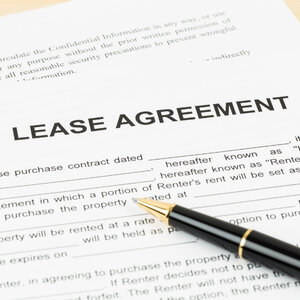
The same fear keeps coming up from sellers: “I need to sell, but I have nowhere to go.” That is not a deal-stopper. That is exactly the situation for which a sale-leaseback was built.
Yes, you can sell your Alabama home and continue living in it. The arrangement is legal, reasonably common, and used across the state. A homeowner sells their property and continues living in it by making rental payments under a lease agreement, selling to a buyer who is willing to act as a landlord, signing a lease at closing, and paying rent instead of a mortgage. The seller walks away with their equity without packing a single box.
The lease agreement is your protection. It should spell out exactly how long you can stay, what the monthly rent will be, who is responsible for repairs above a certain dollar amount, how much notice is required before the landlord can enter, and what happens if either party wants to end the arrangement early. A poorly written lease creates stress fast, so it is worth having a real estate attorney review it before you sign. This is genuinely a place where a modest legal fee upfront saves real money and stress later.
Rent-back agreements that last more than roughly 90 days can raise legal or tax complications, so for longer arrangements, a full leaseback with a proper lease agreement reviewed by an attorney is the more appropriate structure. Your homeowners’ insurance situation also changes: once the deed transfers, you are a tenant rather than an owner, and your coverage needs to shift accordingly.
Here is another common example: a homeowner in the Florence area whose mother has recently moved into assisted living is left with a second property that needs sorting out on its own timeline, paperwork, belongings, and decisions that cannot be rushed. Selling the home with a short-term lease built in lets her collect her equity immediately while buying a few months of breathing room to handle everything else at her own pace rather than on a deadline set by someone else.
If this sounds like your situation, a conversation with North Alabama House Buyer costs nothing and can clarify what a leaseback would actually look like for your property and timeline.
Frequently Asked Questions
Do You Have to Pay Taxes When You Sell Your House in Alabama?
Possibly, though many Alabama homeowners qualify for an exclusion that eliminates the federal tax bill. If the property was your primary residence for at least two of the last five years, federal law allows you to exclude up to $250,000 of gain from taxable income, or up to $500,000 if you are married filing jointly. Alabama also has a state income tax, and capital gains from a home sale can affect your state taxable income. This is general information, not tax advice, so confirm your specific numbers with a tax professional before closing. Property taxes stop being your direct responsibility once the deed transfers in a sale-leaseback, though your lease may include a provision addressing them.
What Is It Called When You Sell Your Home but Still Live in It?
The formal term is a sale-leaseback, sometimes written as a sale and leaseback or a seller rent-back. In residential real estate, it means you sell the property to a buyer and immediately sign a lease that allows you to stay on as a tenant. Short-term arrangements lasting a few weeks are commonly called rent-backs or post-occupancy agreements, while longer arrangements are typically structured as full leaseback agreements with formal lease terms.
What Is the 3-3-3 Rule in Real Estate?
The 3-3-3 rule is a homebuyer affordability guideline rather than anything a seller needs to apply. The common version says to keep three months of living expenses saved, hold three months of housing payments in reserve, and compare at least three homes before making an offer, and a related 30/30/3 version frames the same idea around income, savings, and purchase price. Either way it is written for buyers, so for a seller it matters far less than what a buyer is actually paying and what terms they are proposing for any lease agreement.
How Much Are Closing Costs for Sellers in Alabama?
Sellers in Alabama typically cover real estate agent commissions, which run around 5 to 6 percent of the sale price, plus title fees, any agreed-upon concessions to the buyer, and prorated property taxes. Total seller-side closing costs, including commissions, usually range from 7 to 10 percent of the sale price. Cash sales handled without a listing agent tend to be leaner, since the commission piece disappears, though title company and attorney fees still apply.
If you are sitting on a house you need to sell but are not ready to leave, contact us to see what your options are for your specific situation.
The market figures in this article reflect data from the Alabama Association of REALTORS and Redfin as of May 2026 and are subject to change; check current listings or a local agent for up-to-date numbers.
Helpful Alabama Blog Articles
- Selling a Home with Code Violations in Alabama
- Short Sell Your Home In Alabama
- Selling A Home That Needs Repair In Alabama
- Selling a House with Mold in Alabama
- Cheapest Place to Live in Alabama
- Can the Seller Back Out of a Contract in Alabama?
- Alabama Squatter Rights And What Every Homeowner Should Know
- Home Equity Do You Need To Sell Your House In Alabama
- Selling Your House To A Family Member In Alabama
- Selling a House With Solar Panels in Alabama
- When To Cancel Homeowners Insurance After Selling Your Alabama Home
- Do You Need A Deed To Sell A House In Alabama
- Sell Your Alabama House As Is and Still Live In It
- Can You Sell Your House In Alabama If Your Spouse Is Incarcerated