Alabama gets about 199 sunny days a year. That’s a lot of free electricity and a really attractive selling point for your home.
If you’re ready to sell and solar panels are part of the package, you’re in a good spot. Most sellers find that solar adds value and draws in serious buyers. It even speeds up the sale. You just need to know how to handle the process right. North Alabama House Buyer can help.
This article walks you through everything from how panels affect your home’s value to what happens with your lease or loan at closing.
Do Solar Panels Help or Hurt Your Home Sale in Alabama?
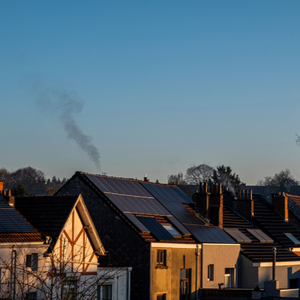
Solar panels mostly help your home sale in Alabama.
Studies show that homes with solar panels sell for about 4.1% more on average than homes without them. Buyers love the idea of lower electricity bills, especially in Alabama, where summer cooling costs can get brutal. A solar home offers them real, predictable savings from day one.
That said, owned panels and leased panels are two very different conversations. If you own your system outright, the added value flows directly into your sale price. Buyers get a home that’s already generating savings with no extra steps required.
If your panels are under a lease or loan, there’s a bit more to sort out, but it’s very manageable. More on that later.
The bottom line is that solar panels are a selling point in Alabama, not a red flag.
Situations That Can Complicate the Sale of Your House With Solar Panels
Solar homes sell well, but a few things can slow the process down if you’re not prepared.
Buyer Hesitation About Solar Panel Systems
Some buyers walk in unsure about what they’re taking on. They might worry about maintenance or whether the system will outlast their time in the home.
A little education goes a long way, and most of those concerns disappear once buyers see the numbers. It helps to have a one-pager ready that breaks down the system’s age, output, and average monthly savings so buyers can see the value clearly.
Incomplete or Missing Solar Documentation
If you can’t produce your installation contract, warranty details, or utility agreements, buyers get nervous, and appraisers have less to work with.
Pull those documents together early. Your solar provider can usually reissue anything you’ve misplaced, so reach out to them as soon as you decide to sell.
Solar Lease Complications
A leased system means the buyer has to qualify to take over that lease, or you need another plan. It adds a step, but it’s rarely a dealbreaker.
You’ll want to sort out your options before you list. Contact your solar company to understand the transfer requirements, since some leases have credit score thresholds that not every buyer will meet.
Agent Unfamiliarity With Solar Homes
Not every real estate agent has sold a home with solar before. If your agent doesn’t understand how to price or position the panels, you could leave money on the table.
Ask potential agents directly if they’ve worked with solar properties in Alabama. Someone with that experience will know how to market the system as an asset and handle buyer questions without fumbling.
How Do Solar Panels Affect Your Home’s Value in Alabama?
Solar panels increase your home’s value in Alabama by 4.1%. On a $250,000 home, that’s roughly $10,000 in added value just from having roof panels.
Alabama’s hot summers play a big role. Electricity bills spike hard from June through September, and buyers who’ve lived through a few Alabama summers know exactly what that costs. A home that already offsets those bills is a genuinely attractive option.
The age and condition of your system matter too. A newer system with strong output will perform better than an older one that’s past its prime. If your panels are more than 15 years old, it’s worth having them inspected before you list, so you know what you’re working with.
Appraisers also use different methods to value solar systems. Some look at the cost to install a comparable system today. Others look at the income the system will generate over its remaining lifespan. Working with an appraiser who understands solar ensures you get the most accurate valuation for your home.
Benefits of Selling a Solar Home in Alabama
Selling a solar home in Alabama gives you concrete advantages over non-solar listings, and buyers are starting to pay attention.
Lower Energy Bills as a Selling Point
Solar panels directly lower monthly electricity costs, and that’s one of the first things serious buyers ask about. In Alabama, where summer energy bills rise quickly, a home that produces its own power is a practical and appealing option.
When you talk to buyers, put actual numbers on the table. Show them your average monthly utility bills before and after your panels were installed. Real data is far more convincing than a general promise of savings.
Protection Against Rising Electricity Costs
Electricity rates in Alabama have risen steadily over the years, and there’s little reason to expect that to change. A solar home gives buyers a buffer against those increases since the energy generated from the panels doesn’t come with a rate hike attached.
This is a strong selling point for buyers planning to stay long-term. The longer they live in the home, the more value the system delivers, and that’s a compelling argument for paying a little more upfront.
Net Metering and What It Means for Buyers
Net metering allows homeowners to send excess solar energy back to the grid in exchange for credits on their utility bill. Alabama’s net metering policies are more limited than those of other states, but some utilities in the state do offer it.
If your home qualifies, make sure buyers know about it. A system that earns credits in addition to reducing bills adds another layer of financial value. Check with your utility provider so you can give buyers accurate information before they ask.
Environmental Benefits That Attract the Right Buyers
Solar panels reduce a home’s carbon footprint, and that matters to a growing number of buyers in Alabama. Eco-conscious buyers actively look for homes with green features, and solar is one of the most visible ones a property can have.
This also has a practical side. Some buyers specifically search for energy-efficient homes because they plan to live in ways that align with lower consumption and long-term sustainability. Your solar home is already on their radar before they’ve even booked a showing.
How to Sell a House With Solar Panels in Alabama
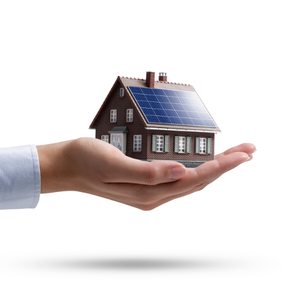
Most sellers are surprised by how straightforward this process actually is. The ones who struggle are usually the ones who waited too long to figure out their solar situation before listing.
Get ahead of it and you’ll be fine. Here’s exactly what to do.
Step 1: Determine How You Own or Finance Your Solar Panels
This is the first thing you need to figure out because it shapes every other step in the process.
Own them outright? You’re in the easiest position possible. Have a lease or a loan? Still totally fine, just a different path to closing.
Dig out your original solar agreement and read through it. If anything is unclear, call your solar provider and ask them to explain it directly. That one phone call can save you weeks of confusion later.
Step 2: Gather Your Solar Documentation
Think of your solar documents as the paperwork version of a home inspection. Buyers will want to see them, and some lenders will require them.
Round up your installation contract, equipment warranties, and utility agreements. If you’ve lost track of anything, don’t stress.
Your solar provider keeps records and can reissue most things pretty quickly. Just don’t wait until you’re already under contract to start looking because that’s where sellers start losing sleep.
Step 3: Get the Right Appraisal for Your Solar Home
A standard appraiser who has never dealt with solar can look at your panels and genuinely not know what to do with them. That uncertainty ultimately costs you money.
Find someone with actual solar experience. They know how to assess the system’s age, output, and remaining useful life and work all of that into your home’s value correctly.
Ask your real estate agent for a referral or reach out to your solar provider. They often know appraisers who’ve handled solar homes before.
Step 4: Work With an Agent Who Knows Solar Home Sales
Your real estate agent is going to be talking about your solar system to every single buyer who walks through that door.
You really want someone who already knows what they’re talking about. An agent with solar experience knows how to price the panels. They can also field tough questions and position the system as the asset it actually is.
Someone who has never sold a solar home might completely undersell your biggest selling point without even realizing it. Ask every agent you interview how many solar homes they’ve sold in Alabama specifically.
Step 5: Talk to Buyers About Your Home’s Solar Panels
Buyers who don’t understand solar get nervous. Nervous buyers back out. The fix is simple: be upfront and present real numbers to them early.
Show them your utility bills from before and after installation. Tell them what the system produces on average in a month.
Let them know what warranties are still active. The more concrete information you hand a buyer, the more confident they feel, and confident buyers make offers.
Step 6: Handle the Solar Panel Transfer at Closing
This is the final piece, and it mostly comes down to making sure the right people are looped in well before closing day arrives.
Own the panels outright? They transfer with the home just like any other fixture, and there’s not much you need to do.
Have a lease or loan? Get your solar provider into the conversation the moment you go under contract. Last-minute scrambles on closing day are stressful and very avoidable.
Sell Your House With Solar Panels in Alabama Based on Your Ownership Type
Many sellers don’t realize that how you own your solar system can change the entire closing conversation. It’s not one-size-fits-all.
Each ownership type has its own set of steps, and knowing yours early makes the whole thing feel far less complicated.
Selling a Home With Owned Solar Panels
Owned panels are the dream scenario for sellers, and buyers both tend to get genuinely excited when they find out the system is fully paid off.
There’s no lease to transfer and no loan to settle before closing. The system comes with the house, clean and simple.
Buyers walk in knowing they’re getting full access to all the savings those panels produce with nothing owed on the backend. Put that front and center in your listing. It removes hesitation before buyers even set foot inside.
Selling Your House With Solar Panels Under a Solar Lease in Alabama
A solar lease means the solar company owns the panels and you’ve been paying to use them. That’s the detail that needs to be sorted before you hand over the keys.
It sounds more complicated than it usually is. You have real options here.
The only mistake sellers make is waiting too long to start the conversation, so call your solar company the day you decide to sell.
Transferring the Solar Lease to the New Buyer
This is the most common route, and it works well when everything lines up.
The buyer steps into your lease, takes over the payments, and gets all the benefits from day one. The solar company runs a credit check on them as part of the process.
If the buyer qualifies, you’re done. If they don’t, that’s when you look at the next option.
Prepaying or Buying Out the Solar Lease
This option removes the buyer qualification issue completely from the table and makes your home much easier to sell.
A prepayment means you cover the remaining lease payments before closing, so the buyer inherits a system with no outstanding balance.
A buyout means you purchase the system from the solar company outright, so it becomes owned equipment. Both options hand the buyer a clean solar home with no strings attached, and that tends to bring offers in faster.
Sell Your House With Solar Panels and a Solar Loan
A solar loan situation is manageable once you know what type of loan is attached to your system.
A secured solar loan is tied to your property and must be paid off at or before closing, similar to a second mortgage. An unsecured loan isn’t attached to the home, so you have more flexibility with timing.
Call your lender as soon as you decide to sell. Get the payoff amount in writing and factor it into your net proceeds so closing day has no surprises waiting for you.
How Appraisers Value Solar Panels in Alabama
Appraisers use three main methods to value solar panels in Alabama.
Most sellers assume the appraiser will just eyeball the panels and add a number. That’s not how it works, and that assumption is exactly what leads to undervalued solar homes.
Here’s how each method breaks down:
- Cost approach: The appraiser considers what it would cost to install a comparable system in the home today. This works well for newer systems with modern equipment since current installation costs tend to be favorable.
- Income approach: This one calculates the value based on the energy savings the system will generate over its remaining lifespan. It’s a strong method for systems with plenty of useful life left and good production history to back it up.
- Sales comparison approach: The appraiser looks at recent sales of similar solar homes in your area and uses them to determine how much your panels add to the market value of your home. This works best in markets where solar homes sell regularly enough to give appraisers solid data to work with.
Not every appraiser in Alabama is comfortable with solar. If yours isn’t, you could walk away with a valuation that doesn’t reflect what your system is actually worth. Push for someone with solar experience and don’t be shy about asking your solar provider or agent for a referral.
What Warranties Transfer When You Sell Your Alabama Solar Home?
Most solar warranties transfer to the new owner when you sell your Alabama home, and that’s a selling point worth dropping early in buyer conversations.
Buyers worry about what happens if something breaks after they move in. Good warranty coverage shuts that concern down fast.
The panel product warranty covers defects in the physical panels themselves. Most manufacturers offer 10 to 25 years of coverage on this one.
The performance warranty guarantees the panels will produce at a certain efficiency level over time. This one protects the financial value of the system long after closing, and buyers really respond to it.
The inverter warranty covers the equipment that converts solar energy into usable electricity. It typically runs 10 to 15 years and transfers right along with everything else.
The workmanship warranty covers the quality of the original installation. If something was done incorrectly from the start, this warranty is what catches it.
Sellers often miss that some warranties require written notification to the manufacturer within a specific window after the sale. If you miss that window, the new owner loses coverage on a technicality. Go through each warranty before closing and sort out any required paperwork early.
Your solar provider can walk you through the exact transfer process and send you a written summary to hand directly to the buyer. One less thing to explain at the closing table.
Can You Take Your Solar Panels With You When You Move?
In almost every case, you cannot take your solar panels with you when you move, and honestly, you really don’t want to try.
Solar systems are built specifically for the roof they’re sitting on. A system designed for your home in Birmingham isn’t going to perform the same way on a completely different roof somewhere else.
Pulling the panels off also risks damaging the equipment and your roof. Those repair costs add up fast and can easily cancel out whatever value you were hoping to bring to your next place.
On top of that, many warranties become void the moment panels are removed from their original installation. That’s a loss you genuinely can’t walk back.
You should just leave the system in place and price it into your sale. Let it do the heavy lifting at the negotiating table. If you want solar at your next home, a fresh installation might actually land you a newer and more efficient system than the one you’re leaving behind.
What Happens to Solar Tax Credits When You Sell Your Alabama Home
When you sell your Alabama home, the federal solar tax credit does not transfer to the buyer, and that’s something both sellers and buyers need to understand upfront.
The federal solar investment tax credit, currently at 30%, is claimed by the person who purchased and installed the system. Once you’ve claimed it on your taxes, that’s yours. It doesn’t live in the house, and it doesn’t pass to whoever buys it from you.
That said, this doesn’t hurt your sale as much as you might think. The tax credit already did its job when you installed the system. It reduced your out-of-pocket cost, and those savings are already baked into the value of what you’re selling.
It gets a little more nuanced with leased systems. If your panels are under a lease, you likely never claimed the tax credit at all since the solar company owns the equipment and they claimed it instead. That’s worth knowing when you’re setting your pricing expectations.
One more thing worth flagging. If you claimed the tax credit and then sell the home within the first five years of installation, the IRS has recapture rules that could affect a portion of the credit you received. It’s not common, but it does happen, and a quick conversation with your tax advisor before you list is a very smart move.
The buyer won’t get a tax credit for your existing system, but they may qualify for other energy-efficiency incentives depending on the improvements they make after closing. That’s a conversation for their own tax advisor to have with them.
Why Cash Buyers Are a Good Fit for Selling a Solar Home in Alabama
Cash buyers are a great option for selling a solar home in Alabama, especially if your situation is a little more complicated than a standard listing.
Think about it. If you have a leased system, an older set of panels, or a solar loan you’d rather not deal with at the traditional closing table, a cash buyer cuts through all of that quickly.
Cash buyers don’t rely on lender appraisals. That matters because some lenders get skittish around solar systems they don’t fully understand, which can slow down or even derail a conventional sale. A cash buyer sidesteps that entire issue.
The process also moves faster. Traditional home sales can drag on for weeks while financing gets sorted out. A cash sale can close in days, and when you’re ready to move on, that kind of speed is hard to argue with.
Solar homes in good condition with owned panels are particularly attractive to cash buyers because they see the long-term value immediately. Lower utility costs mean lower ongoing expenses, and that’s exactly the kind of thing a savvy buyer gets excited about.
Key Takeaways: Selling a House With Solar Panels in Alabama
Selling a house with solar panels in Alabama is a good position to be in. Your panels add real value and attract serious buyers who can speed up your sale. The most important things to get sorted early are your ownership type, your documentation, and the right team around you. An experienced agent and a proactive solar provider make all the difference between a smooth closing and a stressful one. If you’d rather skip the traditional process altogether, we buy houses in Alabama and sell your house fast for cash in Huntsville and nearby cities. North Alabama House Buyer makes it simple. We buy solar homes as-is and handle the details for you. Give us a call at (256) 824-9181 or fill out the form below and find out what your solar home is worth today.
Helpful Alabama Blog Articles
- Selling a Home with Code Violations in Alabama
- Short Sell Your Home In Alabama
- Selling A Home That Needs Repair In Alabama
- Selling a House with Mold in Alabama
- Short Sell Your Home In Alabama
- Cheapest Place to Live in Alabama
- Can the Seller Back Out of a Contract in Alabama?
- How to Sell a House with a Squatter in Alabama
- Home Equity Do You Need To Sell Your House In Alabama
- Selling Your House To A Family Member In Alabama
- Selling a House With Solar Panels in Alabama
- When To Cancel Homeowners Insurance After Selling Your Alabama Home
- Do You Need A Deed To Sell A House In Alabama
- Sell Your Alabama House As Is and Still Live In It