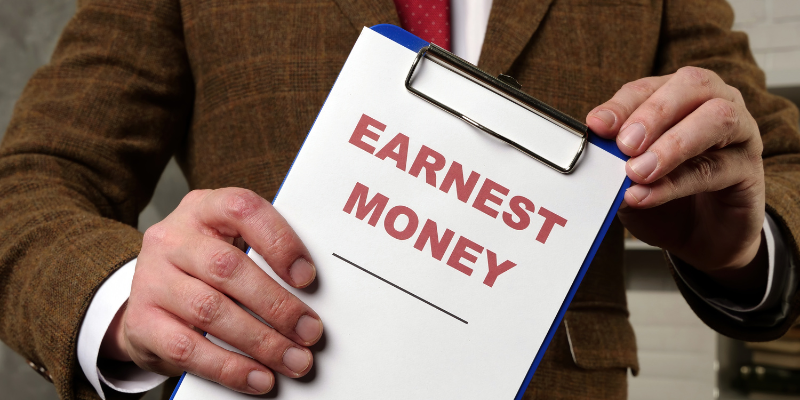
In today’s home-buying competition, “For Sale By Owner” has its own set of advantages and disadvantages, and knowing how earnest money works can be beneficial. Taking this step indicates that the buyer is serious about buying the home. If the buyer is negotiating directly with the seller, the buyer will have to cover this earnest money because it will be securing the seller’s home for a certain period of time and removing it from the market. With direct home sales, understanding earnest money is protective and assuring of all of the buyer’s interests and will make all of the buyer’s negotiating easier. For assistance, North Alabama House Buyer is here to help.
Brief Overview
When it comes to “For Sale By Owner” home purchases, earnest money plays an important role for both buyers and sellers. It is the first deposit to show a buyer’s good faith and intention to buy. It keeps the interest of both parties while negotiations take place. In earnest money, buyers also need to be aware of contingencies, refund conditions, and direct transactions with no middleman. Buyers have so many ways to protect themselves. They can use money receipt protective measures, such as due diligence to show the deposit is in escrow, to protect themselves. For more assistance, you can also engage with cash home buyers in Huntsville and neighboring cities.
Key Highlights
- Earnest money serves as a good-faith deposit, demonstrating a buyer’s serious intent to purchase.
- It strengthens purchase agreements, protecting both buyers and sellers during negotiations.
- Refundable under specific contingencies, such as financing issues or failed home inspections.
- Strategies like secure escrow management and clear contingencies are crucial for protecting your deposit.
- Direct communication and legal diligence enhance transaction confidence and safeguard financial interests.
Understanding Earnest Money in For Sale by Owner Transactions

In all real estate transactions, especially for sale-by-owner transactions, earnest money is a key component of the transaction process. It is more than a deposit. It is a financial commitment to buy the property. For a successful transaction to occur, both the buy and sell sides of the transaction need to understand the earnest money. This chapter explains what earnest money is, why it is important, and how it helps to facilitate the purchase of a home. Understanding these concepts will better prepare you for your real estate journey.
What Earnest Money Is and Why It Matters
When a buyer is serious about purchasing a home, they will provide sellers with good-faith money, or earnest money. Shows seriousness and entices the seller to take the home off the market while the agreement is being penned. With For Sale By Owner situations, where buyers and sellers are dealing with each other directly, earnest money really helps with trust and helps prevent the risk of the deal going south.
Aside from commitment, earnest money strengthens a buyer’s offer as well as the outcome of negotiations. Sellers see larger earnest deposits as a sign of reliability and seriousness, so they are more likely to go with them. Additionally, earnest money deposits protect buyers from the various contingencies that come with financing, inspections, title issues, etc. Buyers are allowed to withdraw under specified circumstances and keep their earnest deposit. Overall, earnest money is a fundamental aspect of a smooth and safe home-buying experience.
Think about these when handling earnest money for a home:
- Amount: Earnest money is usually between 1% and 3% of the home’s purchase price, depending on the local market.
- Contingency Clauses: The purchase agreement should include financing, inspection, and appraisal contingencies to protect your earnest money.
- Funds: Keep your earnest money in a secure, third-party-managed escrow account until the transaction is finalized.
- Timeline for Payment: Your purchase agreement specifies a payment timeline. When an offer is accepted, the earnest money is usually due within days.
- Refund Conditions: Understand the refund conditions for your earnest money, such as if the inspection finds major issues or if you cannot secure financing despite your best efforts.
- Consequences of Withdrawal: Without a contingency, you will lose your earnest money to the seller if you withdraw.
- Negotiation Tool: Consider using earnest money to make your offer more appealing to sellers, especially in competitive markets.
- Legal Advice: Consult a real estate attorney to clarify and document earnest money terms in the purchase agreement.
These real estate earnest money deposit tips will help you decide.
The Role of Earnest Money in Purchase Agreements
The earnest money deposit is a purchase agreement’s most important element, as it allows buyers and sellers to feel confident in their real estate transaction. Its importance goes beyond just the financial aspect. It also provides value by illustrating the seriousness of the purchase agreement and the sales contract that fully commits the buyer to the transaction. Understanding the workings of earnest money and its securing power, along with the potential agreed-upon contingencies, allows buyers and sellers to better evaluate the real estate transaction.
| Aspect of Earnest Money | Role in Purchase Agreement | Impact on Buyer and Seller | Key Considerations |
|---|---|---|---|
| Deposit Amount | Serves as a financial commitment from the buyer | Buyer signals serious intent; Seller gains security | Typically 1-3% of purchase price; affects negotiation |
| Contractual Obligations | Outlines conditions under which money is forfeited or returned | Encourages adherence to agreement terms for both parties | Mediation or arbitration is often preferred for efficiency |
| Contingencies | Allows withdrawal under defined circumstances without penalty | Inspection, financing, and appraisal conditions are critical | Contingencies can protect the buyer; clear terms prevent disputes |
| Dispute Resolution | Specifies procedures if a disagreement occurs over funds | Minimizes prolonged conflicts; Provides resolution pathway | Mediation or arbitration often preferred for efficiency |
This table shows how earnest money aligns buyer and seller interests and boosts buyer confidence in real estate transactions.
How Earnest Money Secures a Purchase Agreement
The better investment, earnest money, is a vital part of a purchase agreement, as well as easing the seller’s mind, as long as there is a good investment. Also, since purchase agreements earn their money from the good faith of their buyers, earnest investments ease the purchase agreements. In a seller’s contract, the seller’s trust is earned because the money is the seller’s, and the seller’s honest money is their purchase agreement. Better trust is backed by better investment money.
Keeping faith, investment money is earned through financing, appraisals, and trust inspections. The investment money that buyers lose is apologetically placed, without the buyer losing a landing. Trust is earned, and risk is removed. Purchase agreements, when there are sales, earn more trust because of the ease of use that earnest investment provides, having no agents, and providing a good, easy, and trust-loved way to close the deal.
Managing the Transition of Earnest Money to a Money Receipt

In real estate transactions, the conversion of earnest money to a money receipt is critically important in a home sale being finalized. This transaction allows buyers and sellers to manage risk on both sides, aligning their perspectives to achieve a successful home purchase. Knowing how to manage a smooth transition with money handling, documentation, and the missed money concept is important in completing your sale of real estate. We will discuss the essential steps of the transition, addressing the closing attorneys, agreements, and services required to achieve a successful transaction.
Steps to Ensure a Smooth Transition
To ensure your earnest money is securely transported to an escrow closing lawyer, you first want to choose an attorney you can count on. This is the attorney who will be responsible for holding the money and will be responsible for the local legal obligations. Next, you want to establish an agreement that will allow you to have some sort of understanding that will identify the elements of the contract, such as inspections, appraisals, and the approval of financing. Both the buyer and the seller are responsible for understanding these elements to ensure there are no misunderstandings, so all parties can begin working on the closing.
Once the contract is executed, you want to start communicating with all parties to this agreement so that the escrow attorney can meet all the elements of the agreement. To do this, you have to keep an eye on the elements so you can identify and resolve issues like inspections or titles as they arise. Once all the elements are there, the escrow attorney will take the samples of earnest money that are confirmed and will represent to both parties that the contract was a success and that they can proceed with a lot of new plans. The contract will be reviewed for legal compliance.
When and How Earnest Money Is Refundable
Knowing how and when you can get your earnest money back is an important aspect of buying a home, especially when buying a home from a for-sale-by-owner. The purchase agreement you sign determines how and when you can get your earnest money back. Although earnest money can show good faith to the home seller, it can be returned in some situations. This article will address some of the scenarios, and most of the time it will be contingent on a condition in the agreement to support your claim to a legal refund.
Scenarios Where You Can Get Your Money Back
For-sale-by-owner transactions require particular attention to earnest money and its refundability. Most protections are found in the purchase agreement contingencies. If you are unable to obtain a loan after a reasonable attempt, a financing contingency allows you to retrieve your deposit. An inspection contingency, similarly, allows you to back out if there are major unresolved issues that lead to your financial risk and costly repairs.
Title and appraisal contingencies are other protections. With title issues, if there are calculable or legal claims that cannot be resolved, you may cancel the agreement and obtain your money back. If there is no agreement with the buyer to lower the price, you may withdraw from the agreement without penalty if the home is appraised past the agreed price. If your circumstances change, other clauses will allow you to limit the buy options. Learn from the agreements so you know what aids your investment protection and what aids to buy for protection.
Strategies to Protect Your Money During the Selling Process

If you are trying to do a for-sale-by-owner (FSBO) transaction, you are going to want to learn how to protect yourself financially at all costs. Knowing the right methods to protect yourself as a seller or buyer, especially when it comes to cash offers, can greatly increase the likelihood of the transaction going through without a hitch. This guide goes over the most important tips for cash buyers to help them understand how to protect their money, secure their investment, protect their purchase, and ensure the transaction goes smoothly. In this guide, you will find useful tips to help you better understand how to protect yourself when dealing with real estate.
Key Tips for Cash Buyers in For Sale by Owner Transactions
Cash home buyers in Alabama secure their investment in a for-sale-by-owner transaction. There is a checklist of additional steps that must be completed, including due diligence on the property, its history, legal issues, the current and future potential of the neighborhood and market, and more. When competing for a purchase, the earnest money deposit, usually around 1 and 3%, must be negotiated, and it is helpful if that money is scheduled for a later release by a neutral third party. These due diligence issues and money matters can help minimize risk and place the buyer in the position of making a wise investment.
Buyers should also negotiate for and include more definitive issues in their contracts, including inspections, back-and-forth inspections, and cash settlements on title issues to avert unwarranted and unanticipated issues. Legally, a title should and must be insured to protect the buyer from outside claims that can be and often are bogus. Title issues can also be resolved by the buyer and seller communicating directly. For a buyer to feel secure navigating the FSBO market, an effective combination of title insurance, due diligence, and deliberate negotiation is essential.
In conclusion, earnest money shows your seriousness as a buyer and helps secure your home purchase. The safeguard gives both parties confidence in the transaction commitment. Selling with earnest money streamlines the process and reduces deal failure. Understand the terms and use reliable agreements to maximize this agreement. Contact North Alabama House Buyer with any questions or needs. This strategic move protects your interests and streamlines the home-buying process, making it more reliable.
Looking to navigate a For Sale by Owner earnest money transaction? Whether you need to sell your home quickly, avoid costly repairs, or prefer a hassle-free FSBO process, North Alabama House Buyer is here to help. We provide fair cash offers, assist with the earnest money process, handle all the details, and ensure a smooth, secure transaction. Ready to sell or have questions? Call us at (256) 824-9181 for a no-obligation offer. Get started today!
FAQs
What is “For Sale By Owner” earnest money?
Buying a property requires a good-faith deposit called earnest money. By demonstrating the seller’s commitment without intermediaries, it helps secure a “For Sale By Owner” purchase agreement.
How does earnest money protect both buyers and sellers?
By showing buyer commitment, earnest money strengthens purchase agreements. It assures the seller that the buyer is serious and protects the buyer by setting deposit refund conditions.
Under what conditions can earnest money be refunded?
A home inspection, title search, or financing failure can result in a refund of earnest money. Purchase agreements should state these terms.
What protections can buyers use for earnest money?
Earnest money should be held in escrow, the purchase agreement should include clear contingencies, the property should be thoroughly investigated, and the seller should be communicated with.
Why is earnest money important in a competitive market?
In competitive markets, a large earnest money deposit shows financial stability and commitment to the transaction. This can boost a buyer’s offer.
Helpful Huntsville Blog Articles
- Selling A House With Title Issues In Huntsville, AL
- Selling An Inherited House In Huntsville, AL
- Homeowners Insurance Tips For Selling Your House In Huntsville, AL
- How To Sell Your Huntsville, AL, Home With A Lien
- Guide To Selling A Home With A Reverse Mortgage In Huntsville, AL
- Sell Your Home Needing Repairs Fast In Huntsville, AL
- Navigating Closing Costs Without An Agent In Huntsville, AL
- Living In A House During Probate In Huntsville, AL
- Selling Your House In Huntsville, AL, And Relocating Out Of State
- Selling Your House By Owner In Huntsville, Alabama
- Sell Home to Pay Off Debt in Huntsville, AL
- Selling Inherited Property in Huntsville, AL
- Selling an Inherited House with a Sibling in Huntsville, AL
- Huntsville, AL, Cost of Living
- Huntsville, AL, Closing Costs Calculator