
Nobody called a buyer to ask whether selling below appraised value was allowed. They called because their roof was shot, their sister in Georgia needed her share of the estate settled, and they’d already spent three weekends driving down from out of state to deal with a property they never asked to own. That appraisal number was just a number. Closing the deal and moving on was all that mattered.
Sellers and buyers play out that situation constantly across Alabama, from the older mill-era bungalows in Cullman to the vinyl-sided split-levels out in Madison. And the answer to the central question is yes, you can absolutely sell your house for less than appraised value in Alabama. Private sellers are not bound by a minimum sale price law, which means the floor on your sale price is essentially whatever you and the buyer agree to. That nuance, though, is worth understanding before you sign anything.
Alabama Sellers Have More Flexibility Than They Think
For years, I would tell homeowners that the appraisal was their ceiling, that buyers wouldn’t go higher, and that sellers couldn’t go lower without raising eyebrows. Faulty framing cost some sellers real options.
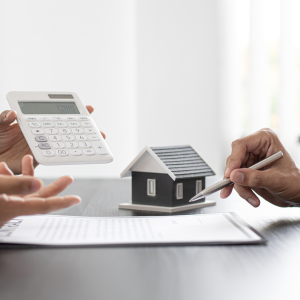
A real estate appraisal and a sale price are two separate things. A professional appraisal tells you what a licensed appraiser believes the property is worth based on comparable sales, local market conditions, and the home’s condition. Your actual sale price is whatever a willing buyer and a willing seller agree to. Alabama law does not set a floor on what a private homeowner can accept for their own property, with a few specific exceptions we’ll get into.
The median sales price across Alabama in 2025 reached $233,969, the highest figure on record for the state and an 11 percent jump from the prior year. Sellers in that market have room to move on price and still walk away well. But markets shift neighborhood by neighborhood, and Huntsville’s market looks nothing like a rural Limestone County property sitting on an unpaved road. Knowing your local numbers matters more than the statewide average, which I’ve had to remind myself of more than once when pricing a deal.
One thing worth stating plainly: the appraised value is a snapshot, not a law. Agents sometimes use it as a negotiating anchor, but a seller who needs speed, certainty, or a clean break has every right to price below it (and many do, sensibly).
What Does “As Is” Mean in Alabama Real Estate?
If I’m selling a house I’ve never lived in, what exactly am I agreeing to when I sign an “as is” contract?
“As is” means you’re selling the property in its current condition, and Alabama’s caveat emptor framework means that sellers are not required by state law to fill out a disclosure form for buyers. Caveat emptor translates literally to “buyer beware,” and Alabama is one of the few states in the country that still follows it squarely for the sale of used homes. Accepting the property means the buyer takes it with all its quirks, age, and problems.
Still, “as is” does not mean “hide whatever you want.” Three specific exceptions apply under Alabama law: sellers must disclose known defects that affect health or safety and are not readily visible to the buyer, must answer direct buyer questions honestly, and cannot intentionally conceal material defects without risking fraud liability. Quietly covering up a foundation crack with fresh drywall mud is not protected by caveat emptor (and inspectors find these pretty fast).
An as-is sale in Alabama is legally straightforward under the caveat emptor framework, and sellers are not obligated to make repairs before closing, though financed buyers may still face an appraisal that flags serious defects as conditions of loan approval. The last piece trips people up regularly. The property selling “as is” doesn’t stop a lender from requiring repairs before they’ll fund the buyer’s mortgage.
Which Types of Homes Are Sold As Is in Alabama?
A bank that just reclaimed a house in Huntsville is not going to repaint the kitchen or fix the roof before listing it. Around 6,039 properties in Alabama went through foreclosure in 2025, a 9.3 percent rise over the prior year, and the bulk of those homes traded well below their appraised values with no repairs, no staging, and no open houses (condition sells at a discount every time).
Foreclosed properties represent one category, but they’re nowhere near the only ones. Inherited homes are arguably the most common situation I see. An heir in another state suddenly owns a house in Madison or Decatur that hasn’t had a new water heater since the Clinton administration. Fixing it up enough to list traditionally would cost tens of thousands of dollars, and the math rarely pencils.
Not long ago, I worked with the adult children of a woman who had passed away in Tanner, a small community just south of Athens in Limestone County. The out-of-state heir had gotten a contractor to walk through and quote the kitchen renovation alone. The estimate was more than the kitchen was likely to add to the sale price, which is something I’ve seen kill deals on inherited properties more than once. We ended up buying the property as is, skipping the renovation entirely, and everyone went home with money in their pocket instead of carrying costs they couldn’t afford. The garage was packed with decades of farm equipment, and we handled that too.
Beyond inherited properties, you’ll see as-is sales from landlords tired of managing problem rentals, homeowners facing financial pressure or foreclosure, sellers going through divorce, and owners of older homes in neighborhoods where the renovation costs exceed what the market will return (I’ve bought from all four). All of them are legitimate candidates for a below-appraisal sale.
What Problems Do You Have to Disclose in Alabama?
Sellers raising this question usually follow it with a quieter one: “But what if I just don’t say anything?”
The answer is that silence is fine for cosmetic flaws and normal wear. Silence crosses into liability when you’re aware of a problem that threatens health or safety, and you say nothing. Alabama law establishes that a seller or seller’s agent has a duty to disclose information about used real estate in three situations: defects affecting health and safety, where a fiduciary relationship exists, and upon specific inquiry by the buyer. The middle category surprises a lot of sellers. If your real estate agent is representing you, they owe the buyer honesty even while representing your interests.
Federal law also requires disclosure of known lead-based paint hazards in homes built before 1978, regardless of what Alabama’s caveat emptor rule says. The federal requirement overrides state law, full stop. Skipping the lead paint disclosure on a 1965 ranch in Huntsville’s Five Points isn’t a gray area; it’s a federal violation.
Practically speaking, the safest thing a seller can do is disclose anything material. Mold behind a bathroom wall, a roof that leaks in hard rain, a basement that floods every spring. Buyers may still accept the property as is and adjust their offer accordingly. What they won’t accept cheerfully is finding out after closing that you knew and said nothing. An attorney review before you sign anything is money well spent, and you can find general guidance through the Alabama Real Estate Commission.
Pros and Cons of Selling a House As Is in Alabama
Selling as is is not a compromise. For the right seller, it’s the correct financial decision.
The obvious advantage is time. You skip the contractor bids, the permit pulls, the staging appointments, the open houses, and the weeks of carrying costs while you wait for a buyer who needs a move-in-ready home. A seller facing a tax lien or pre-foreclosure in Decatur can’t afford to spend four months renovating a property and then sit on the market for another 61 days, which is where Alabama’s average days on market sat in May 2026, according to the Alabama Association of Realtors. Time costs money.
The tradeoff is price. Sellers who accept cash offers typically take a price that runs roughly 20 to 30 percent below open-market value in exchange for that speed and certainty. On a modest property, that gap is a few thousand dollars. On others, it’s a meaningful chunk of equity. Only you can decide whether the speed is worth it.
There’s also a buyer pool issue. Retail buyers using conventional financing need appraisals that support their loan amounts. A home in rough condition may appraise below what a buyer offered, which kills the deal. Decatur cash buyers sidestep that problem altogether, which is why so many as-is sellers end up transacting with investors rather than retail buyers.
My honest take: sellers who renovate before listing often spend more than they recover in sale price. Most of the time, a targeted price adjustment accomplishes the same thing without the mess.
How Much Will You Make From an As-Is Home Sale in Alabama?
A landlord in Tuscaloosa reached out after her tenant left a rental in rough shape. She had no interest in fixing it, but she still owed about $80,000 on the mortgage and needed to clear at least that to walk away clean. We talked through what the net would actually look like on each selling path.
Your net equity is what remains after every cost comes off the top. On a traditional sale, plan to give up roughly 7 to 9 percent of the sale price between agent commissions, title costs, closing costs, and any concessions you make to the buyer after inspection. On an as-is cash sale, commissions often disappear, closing costs are typically minimal, and there are no repair negotiations. The buyer takes the property exactly as it sits, so you’re not fronting money to fix problems you’ve been ignoring for years.
Cash buyers targeting as-is properties offer around 70 percent of a home’s market value, while selling as is on the open market through a broker usually gets sellers somewhere in the 80 to 85 percent range. Both figures have merit depending on your carrying costs, your timeline, and what the retail market in your specific area actually looks like. A home in Huntsville’s thriving MidCity district will hold its value differently than one in a rural DeKalb County community with limited buyer demand.
Track your net number, not just the headline offer. A $190,000 cash offer with no commissions and a ten-day close can net out ahead of a $215,000 retail listing that takes four months, costs $18,000 in fees, and runs up another four months of carrying costs. Do the math from your actual cost basis, not the list price fantasy.
Can You Sell Your House for Less Than Appraised Value in Alabama?
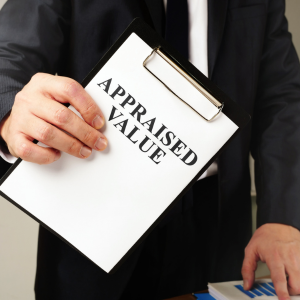
A couple in Huntsville received an appraisal of $285,000 on their home. Their buyer’s lender accepted the number. Then the buyers asked for $22,000 in repairs after the inspection, and the sellers just wanted out. They countered with a $15,000 price reduction and closed below the appraisal without a single legal question raised.
Private homeowners in Alabama can sell for whatever price they choose, above or below the appraised value. No state law requires a minimum sale price for private residential transactions. The appraisal is a tool for lenders, not a contractual floor for sellers. Where it matters is on the buyer’s side: if a buyer is using a mortgage, the lender will only fund up to the appraised amount. If the agreed sale price exceeds what the appraiser finds, the buyer must cover the difference in cash or negotiate a lower price with the seller. The reverse scenario, a sale price below appraised value, is simply no issue for the lender.
There is one context where floors do exist. Probate courts in Alabama generally require that property be sold for at least 90 percent of its appraised value. If you’re the executor of an estate handling a sale through probate, that threshold matters. For every other private seller, the appraised value is a reference point, not a mandate.
Cash buyers like North Alabama House Buyer set their offers using their own internal property valuation rather than a lender’s appraisal. This means the process moves faster, and the offer doesn’t hinge on a third-party appraiser’s opinion.
How to Sell Your House As Is with a Real Estate Agent in Alabama
Listing as is with an agent sounds simple: put it on the MLS, disclose the condition, take offers. The friction starts when financed buyers enter the picture.
A buyer using FHA or conventional financing still needs an appraisal. If that appraisal comes back flagging a structural issue, a failing HVAC, or a roof near the end of its life, the lender may condition approval on those items being repaired before closing. Suddenly, your “as is” listing has repair demands attached because the buyer’s financing requires it, even if the contract language doesn’t. Sellers who don’t know this heading into a listing get blindsided by it every time.
Working with an experienced agent who specifically understands as-is transactions in Alabama is worth the vetting effort. A comparative market analysis from a good broker gives you a reality-based list price rather than an optimistic number that stalls on the market for months. You can find a licensed agent through the Alabama Real Estate Commission’s licensee search. Plan for the agent’s commission, which runs at a 5 to 6 percent split between both sides of the transaction, plus your share of closing costs.
The main advantage of the agent route is exposure. More buyers seeing your property means more competition, which can push your final price higher even on a below-appraisal sale. The main disadvantage is time. A listing process in a slower market could take months, and a property in rough condition will sit longer than one in move-in shape.
How to Sell Your House As Is to a Cash Buyer in Alabama
Cash sales cut through most of the friction that makes traditional listings painful for as-is sellers.
Without a lender involved, there is no appraisal contingency, no underwriting delay, and no repair requirement handed down by a bank’s collateral guidelines. The buyer makes an offer based on what the property is worth to them, in its current condition, and if the numbers work for both sides, closing can happen in a matter of days rather than months. A cash sale in Alabama can close in as few as seven days when all the paperwork is ready and both parties are motivated.
A cash buyer walks the property, sometimes with a contractor in tow, and presents an offer that reflects the current condition. You review the offer, negotiate if you want to, and set a closing date. At closing, a title company handles the transfer. No open houses, no inspection contingencies from retail buyers, no waiting on mortgage underwriters in California to approve a file.
North Alabama House Buyer works exactly this way across the North Alabama region, including communities like Madison, Arab, Scottsboro, and Guntersville. Sellers looking for cash home buyers in Madison face the same set of choices as sellers anywhere else in the valley. If your property has deferred maintenance, title complications, or just needs to close on a specific date, that’s the kind of situation we handle regularly.
One thing I keep seeing sellers get wrong: accepting the first cash offer without understanding whether it’s competitive for the local market. Get a ballpark from a broker, even just a quick phone call, before you sign with any buyer.
Cash Home Buyers and We Buy Houses Companies in Alabama

So who exactly is making that cash offer on your house? Not all cash buyers operate the same way, and the difference matters more than most sellers realize before they’re sitting across a closing table.
Some companies in the “we buy houses” space work as wholesalers. They sign a contract with you and then assign that contract to another investor before closing, collecting a fee in the middle. You might never meet the actual buyer. This is not inherently a problem, but it can affect your closing timeline and occasionally falls apart when the end buyer backs out. Ask directly: “Are you buying this property yourself, or assigning the contract?” A straightforward answer to that question tells you a lot.
At North Alabama House Buyer, we are direct purchasers who use our own capital and close without a third-party investor in the chain. This structure is more reliable for sellers who need a guaranteed closing date.
Regardless of which buyer you’re talking to, request proof of funds before you sign a purchase agreement. Any legitimate cash buyer will provide a bank statement or letter from a financial institution without hesitation. State law allows sellers to require this, and it’s a completely reasonable ask.
Those 6,039 Alabama foreclosures left many homeowners with a narrow window to sell before losing the property for good. Cash buyers fill a real market need in those situations. Just know who you’re dealing with before you sign.
How Do You Pick the Right Way to Sell as Is in Alabama?
Choosing the wrong method doesn’t just cost you money; it can cost you the entire sale, which is a far worse outcome than leaving some equity on the table.
The honest framework: if your property is in decent shape and you have three or four months to spare, a traditional listing with a good broker will likely net you more money. The retail buyer pool is larger, competition drives prices up, and you capture some of the equity that a cash buyer accounts for in their discount. That said, “decent shape” is doing a lot of work in that sentence. Deferred maintenance, a failing system, or a clouded title will shrink your retail buyer pool fast.
A man called on a Thursday afternoon not long ago from Hartselle, a small city in Morgan County north of Decatur. He was splitting assets in a divorce and needed the house sold, the proceeds divided, and the whole thing handled without months of back-and-forth. His car was in the garage, which he was leaving behind, and he just wanted a clean exit. That situation had nothing to do with getting the highest possible price. It had everything to do with certainty and speed, and I’ve seen divorcing sellers lose both when they chase a listing instead. A cash sale was the right answer.
Do you have a mortgage balance that needs to be cleared? That number determines your minimum, and whether you have time determines your options. Does the property need more than cosmetic work? That determines your buyer pool. Run through those three questions honestly before you commit to a method. If the answers point toward speed and simplicity, reach out to North Alabama House Buyer and see what we would offer on your specific property. If the answers point toward maximizing price, hire a broker and list it.
Frequently Asked Questions
What Happens If You Sell a House for Less Than Fair Market Value?
Selling below fair market value is legally permitted for private sellers in Alabama, but a few things follow from it. If a lender is involved on the buyer’s side, the appraisal still needs to support the loan amount, so a sale price below appraised value is actually simpler for financed transactions than one above it. If you’re selling within a family or to a connected party, a tax professional can tell you whether gift tax rules apply at the federal level, since the IRS pays attention to below-market transfers between related parties.
Do Houses Usually Sell for Less Than Appraised Value?
It depends on the market and property condition. In a competitive seller’s market, homes often close at or above appraised value. In slower markets, or when a property has condition issues that scare off retail buyers, sale prices tend to come in below the appraisal. In May 2026, Alabama’s median sale price reached $279,185, up 16.6 percent compared to the prior year according to the Alabama Association of Realtors, which suggests that well-positioned homes are holding value. Properties in rough shape are a different story.
How Close Is Appraised Value to Market Value?
Appraised value and market value are often close but rarely identical. A licensed appraiser uses recent comparable sales to estimate what a willing buyer would pay, so the two figures should track together in an active market. The gap opens up when a neighborhood hasn’t had many recent sales, when a home has unusual features that make comparisons difficult, or when market conditions shift quickly between the time a contract is signed and the appraisal is completed. Online valuation tools like Zillow’s Zestimate can run 5 to 10 percent off the mark in less active markets, so a professional appraisal from a state-licensed appraiser is a more reliable baseline if you need a real number.
What Happens If a House Is Appraised for Less Than the Offer?
This is a common snag in financed transactions. When a buyer’s appraisal comes in below their offer price, the lender will only fund up to the appraised amount. At that point, the buyer either brings extra cash to cover the gap, you agree to lower the price, or the deal falls apart. Most purchase contracts include an appraisal contingency that lets the buyer walk away if the appraisal is too low. Selling to a cash buyer eliminates this scenario entirely, since no lender appraisal is required and the offer price stands regardless of what an appraiser might have found.
If you’ve read this far and you’re still not sure which path makes sense for your property, that’s completely normal. Every situation in Alabama is a little different, whether you’re dealing with an inherited house in Athens, a rental gone sideways in Decatur, or a primary residence you just need out of quickly. If you want to talk through your options without any pressure, reach out to North Alabama House Buyer at (256) 824-9181. There’s no obligation, no sales pitch, just a straightforward conversation about what your property is worth and what your options actually look like.
Helpful Alabama Blog Articles
- Who Pays the HOA Fees at Closing in Alabama?
- Should I Renovate My House or Sell As Is
- What To Do If You Inherit A Distressed Home
- How to Sell a Condemned House in Alabama
- Can You Sell a House That Failed Inspection in Alabama?
- How Much Does a Realtor Charge to Sell a House in Alabama?
- Can You Evict a Tenant If You Sell Your House in Alabama?
- Selling a House With Water Damage in Alabama
- Should I Buy My Parents’ House Before They Die
- How to File a Quitclaim Deed in Alabama
- Alabama Capital Gains Tax Guide For Home Sellers
- Can I Sell My Deceased Mothers House Without Probate in Alabama
- Selling Your House With A Tax Lien In Alabama
- How Much Does It Cost To List Your Alabama Home On The MLS
- Can You Sell Your House Below Appraised Value In Alabama