Your family home in Huntsville might feel like it’s slipping away. The notices keep coming. The phone won’t stop ringing. But here’s what I’ve learned after helping hundreds of Alabama homeowners: foreclosure doesn’t have to be the end of your story.
I’ve been buying houses across North Alabama for years, from Madison to Decatur, and I’ve seen families recover from difficult situations more times than I can count. Occasionally, they save their home. Occasionally, they find a better path forward. But they all had one thing in common: they acted fast and knew their options.
Let me walk you through everything you need to know about stopping foreclosure in Alabama. This isn’t legal advice, but it’s practical guidance from someone with real-world experience.
Understanding Alabama Foreclosure Laws and Timeline Requirements
Alabama moves fast regarding foreclosures. The timeline is 49-74 days, with a Redemption Period of 365 days, and foreclosure in Alabama typically takes two to three months. That’s very fast compared to states like Illinois, where the process can take 300 days.
Alabama is a Non-Judicial Foreclosure State, and the non-judicial process is more common because power-of-sale clauses are used in most mortgages across the state. This means your lender doesn’t need to drag you through court to take your house. They can follow a streamlined process that moves quickly.
Here’s the reality: Federal laws require that foreclosure proceedings in Alabama not start until the borrower is at least 120 days past due on their mortgage payments. But once that 120-day mark hits, things accelerate rapidly.
The current market data tells an important story. There were 5,524 foreclosures in 2024, a 6.1% increase from 5,205 in 2023. Meanwhile, home prices in Alabama were up 2.9% year over year, selling for a median price of $289,400. This means you’ve likely got equity in your home that’s worth protecting.
Pre-foreclosure Notice Requirements in Alabama Real Estate Law
Alabama’s notice requirements are minimal, which surprises many homeowners. The lender publishes a notice in a newspaper once a week for three consecutive weeks before the sale, but Alabama law does not require the lender to send a notice to the borrower.
However, most mortgage contracts require what’s called a breach letter. Many mortgages in Alabama include a provision requiring the lender to send a breach letter if you fall behind on payments. This letter informs you that the loan is in default and usually allows you 30 days to cure it.
If you signed your mortgage after January 1, 2016, you get one additional protection. You’ll likely receive a notice about your right to redeem at least 30 days before the foreclosure sale.
Don’t count on getting a personal notice. Check your local newspaper, especially if you live in counties like Madison, Morgan, or Limestone. The legal notices section is where you’ll find foreclosure announcements.
If you’re dealing with tax issues, it’s especially important to understand the full process of selling your house with a tax lien in Alabama, since many homeowners don’t realize how quickly these notices can escalate if left unaddressed.
Alabama Homeowner Rights During the Foreclosure Process
Your rights in Alabama might surprise you. First, you are entitled to have your loan reinstated. Many state laws allow borrowers to stop the non-judicial foreclosure sale by “reinstating” the loan. To reinstate a loan, the borrower must pay all delinquent payments, fees, and other costs in one lump sum before the foreclosure sale.
Many mortgage contracts give the borrower the right to reinstate the loan up to five days before the foreclosure sale. This is your get-out-of-jail-free card if you can scrape together the money.
You also have the right to redeem after the sale. Alabama law allows a borrower to “redeem” (buy back) their property after the foreclosure sale. Generally, the borrower has up to one year from the foreclosure sale date to redeem the property.
But here’s the catch: If the mortgage contract originated on or after January 1, 2016, the borrower may have less time to redeem the property. If the property is considered a homestead property and the lender sent notice of the right to redeem at least 30 days before the foreclosure sale, then the borrower has only 180 days after the sale to redeem the property.
Working with HUD-approved Housing Counselors in Alabama
This is where I always tell homeowners to start. HUD-approved housing counselors are free, they know the system inside and out, and they’re on your side.
You can find a HUD-approved agency in Alabama by calling HUD’s toll-free number at (800) 569-4287 or using the online search tool on the official HUD or Consumer Financial Protection Bureau (CFPB) websites.
North Alabama has several solid options: Community Action Partnership of North Alabama, Inc., in Decatur; Birmingham Urban League, Inc., in Birmingham; and Community Action Agency of Northeast Alabama, Inc., in Rainsville.
Speaking with a counselor before talking to your lender can give you a significant advantage. You will be better prepared to negotiate for a positive outcome.
I’ve seen these counselors work miracles. They’ll help you understand your budget, negotiate with your servicer, and explore options you didn’t know existed. They can even act as your advocate in conversations with your lender.
Loan Modification Options for Alabama Homeowners Facing Foreclosure
Loan modifications can be lifesavers, but you need to know how to approach them strategically. Your servicer isn’t required to modify your loan, but they often have incentives to work with you rather than foreclose.
The key is to demonstrate both hardship and the ability to make a modified payment. Document everything: job loss, medical bills, divorce papers, disability determinations. Your story matters, but so do the numbers.
Most modifications involve one or more of these changes: reducing your interest rate, extending your loan term, adding missed payments to the end of your loan, or reducing the principal balance (rare, but possible).
Be persistent. I’ve seen homeowners get denied three times before getting approved on the fourth try. The servicer industry has high turnover, so you might get a different person each time, who may see your situation differently.
Refinancing Your Alabama Home to Avoid Foreclosure
Refinancing while behind on payments is tough, but not impossible. You’ll need equity in your home and provable income. With median home prices in Alabama at $289,400, many homeowners have built significant equity.
Consider these options: FHA Streamline Refinance (if you have an existing FHA loan), VA Interest Rate Reduction Refinance Loan (for veterans), and USDA Streamline Assist (for rural properties).
Hard money lenders are another option if you have substantial equity but can’t qualify for traditional financing. Yes, the rates are higher, but it might buy you time to get your finances in order. If refinancing or hard money isn’t realistic, some homeowners decide to sell their house fast for cash in Alabama to avoid further financial strain and move on more quickly.
Alabama State and Federal Foreclosure Relief Programs
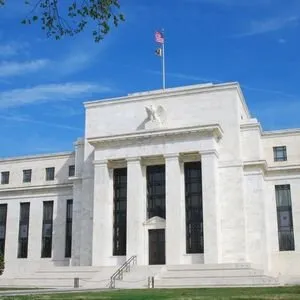
While the big federal programs like HAMP have ended, new assistance pops up regularly. Alabama also offers programs like the Hardest Hit Alabama Program, which provides financial assistance to delinquent borrowers to help them catch up on mortgage payments.
Check with the Alabama Housing Finance Authority (AHFA) for current programs. They’ve administered crisis relief programs in the past and may have new initiatives.
Don’t overlook local programs either. Some Alabama counties and municipalities offer emergency assistance funds for homeowners facing foreclosure.
Emergency Financial Assistance Resources for Alabama Homeowners
When you’re facing foreclosure, every dollar counts. Here are resources that can help bridge the gap:
The Salvation Army and local churches often provide emergency mortgage assistance. United Way chapters across Alabama maintain lists of emergency financial assistance programs.
Community Action Agencies in your area might have emergency funds available. These agencies serve every county in Alabama and often have flexible assistance programs.
If you’re a veteran, contact the Alabama Department of Veterans Affairs. They have programs specifically designed to help veterans avoid foreclosure.
Filing for Bankruptcy to Stop Alabama Foreclosure Proceedings
Bankruptcy isn’t the end of the world. It’s a tool, and sometimes it’s the right tool for the job.
Bankruptcy can often temporarily delay foreclosure. A delay could allow the borrower to stop the foreclosure process permanently. Bankruptcy’s automatic stay makes this delay possible.
Chapter 13 bankruptcy is often the better choice for homeowners. It allows you to keep your home while catching up on missed payments over three to five years. Chapter 7 can also stop foreclosure temporarily, but you’ll need to stay current on payments in the future.
The automatic stay kicks in immediately when you file, stopping all collection activities, including foreclosure. This gives you breathing room to reorganize your finances.
Alabama Foreclosure Mediation Programs and Legal Resources
Typically, homeowners facing foreclosure in Alabama qualify to participate in a statewide foreclosure mediation program. Under Alabama’s mediation program, trained mediators help the homeowner and lender work together to find a way to avoid foreclosure, often through a modification.
To learn more about foreclosure mediation, go to the Alabama Center for Dispute Resolution’s website. This is a free service that can level the playing field between you and your lender.
Mediation isn’t binding, but it creates a structured environment for negotiation. Lenders often bring more realistic offers to the table when a neutral mediator is involved.
Legal Defenses Against Wrongful Foreclosure in Alabama Courts
Sometimes lenders make mistakes—big ones. I’ve seen cases where the wrong entity tried to foreclose, required notices weren’t properly given, the mortgage wasn’t correctly assigned, or the lender couldn’t prove they owned the debt.
These defenses require an attorney, but they can stop foreclosure cold. If your lender is rushing the process or cutting corners, a foreclosure defense attorney might find grounds to challenge the action.
Alabama Real Estate Attorney Services for Foreclosure Defense
Not all attorneys are created equal. You want someone who specializes in foreclosure defense and knows Alabama law inside and out.
A good foreclosure attorney will review your loan documents for violations, challenge improper procedures, negotiate with your lender from a position of strength, and buy you time to explore other options.
Legal Services Alabama provides free legal help to qualifying low-income homeowners. They have offices across the state and attorneys who specialize in foreclosure defense.
Short Sale Process for Alabama Properties in Pre-foreclosure
A short sale may be your best option if you owe more on your mortgage than your home is worth. Your lender agrees to accept less than the full loan balance and forgives the difference.
The process takes 3-6 months, but it’s less damaging to your credit than foreclosure. You’ll need to prove financial hardship and show that you can’t afford the current payment. Because of the long timeline, some homeowners look into alternatives, like working with a cash for houses company in Fayetteville to resolve the situation more quickly.
Here’s what nobody tells you: short sales are negotiable. Don’t accept the first offer from your lender. They want to minimize their losses but also avoid the cost and hassle of foreclosure.
Alabama Deed instead of Foreclosure: Benefits and Drawbacks
A deed-in-lieu is essentially handing your keys to the lender voluntarily. It’s faster than foreclosure and less damaging to your credit.
The benefits include avoiding the public foreclosure process, less credit damage than foreclosure, possible relocation assistance, and a potential waiver of a deficiency judgment.
The drawbacks are that you lose your home, it still impacts your credit, not all lenders accept a deed-in-lieu, and you give up your redemption rights.
Alabama Homestead Exemption Laws and Foreclosure Protection
Alabama’s homestead exemption protects up to $15,000 of equity in your primary residence from creditors. It won’t stop foreclosure by your mortgage lender, but it protects you from other creditors trying to force a sale.
If you’re facing foreclosure plus other debts, the homestead exemption becomes more important. It ensures that if you do lose your home, you’ll keep some proceeds from the sale.
Alabama Right of Redemption After Foreclosure Sale
Even after your home sells at foreclosure, you might not be done. Generally, the borrower has up to one year from the foreclosure sale date to redeem the property.
Redemption requires paying the full purchase price plus interest and costs. It’s expensive, but it’s an option if you come into money or can secure financing.
In this case, the former owner gives up the one-year redemption period that Alabama allows. Leaving the home before the end of the 10 days allows the former owner to benefit from the redemption period. This is a one-year period during which the former owner can reclaim the property by paying the required redemption amount and completing the appropriate forms.
Post-foreclosure Options and Credit Recovery in Alabama
Foreclosure isn’t the end. Your credit will recover, typically within 3-7 years if you manage it properly.
Start rebuilding immediately by getting a secured credit card, paying all bills on time, keeping credit utilization low, and considering a credit-builder loan.
FHA loans are available just three years after foreclosure if you can document the hardship that caused it. VA loans have similar timelines for veterans.
Alabama’s strong job market helps with recovery. Alabama saw job gains in nine of twelve months in 2024, adding approximately 39,500 jobs since December 2023. While annual job growth continued to slow for the third consecutive year, it still surpassed the pre-pandemic increase of 24,400 jobs in 2019.
The housing market remains affordable here compared to national averages. Although Alabama’s median home sales price rose modestly, housing in the state remains significantly more affordable than in both the broader South and the nation. Between 2014 and 2024, median prices in Alabama increased by $86,744, or 66.7%.
If you’re drowning in foreclosure paperwork and need someone to buy your house quickly, companies like North Alabama House Buyer can close in as little as two weeks. Here’s how our process works and what to expect when selling your house fast for cash.
I’ve worked with families across Madison, Morgan, and Limestone counties who thought foreclosure was inevitable. Many found ways to keep their homes. Others discovered that selling quickly and moving on was their path to financial freedom.
The key is to act fast and know all your options. Alabama’s foreclosure laws don’t give you much time, but they do give you real opportunities if you know how to use them.
Frequently Asked Questions
How Can I Stop Foreclosure Immediately in Alabama?
You can stop foreclosure by “reinstating” your loan, which means paying all delinquent payments, fees, and other costs in one lump sum before the foreclosure sale. Filing bankruptcy also triggers an automatic stay that immediately stops foreclosure proceedings. Contact your lender immediately to discuss options like loan modification or forbearance.
How Difficult Is It to Rent After Foreclosure in Alabama?
Renting after foreclosure is challenging but not impossible. Most landlords run credit checks and may require larger security deposits or co-signers. Focus on smaller, independent landlords who might be more flexible than large property management companies. Having a stable income and references helps significantly in securing rental housing.
What Should I Include in a Hardship Letter to Prevent Foreclosure?
Your hardship letter should clearly explain the specific circumstances that led to your financial difficulties, such as job loss, medical expenses, or divorce. Include documentation supporting your claims and demonstrate your commitment to resolving the situation. Explain how much you can afford to pay going forward and request specific assistance, like loan modification or forbearance.
How Many Payments Can I Miss Before Foreclosure Starts in Alabama?
Federal laws require that foreclosure proceedings in Alabama not start until the borrower is at least 120 days past due on their mortgage payments. This typically means you can miss three to four monthly payments before formal foreclosure proceedings begin. However, late fees and default notices start much sooner, so contact your lender as soon as you know you’ll have trouble making payments.
Look, I’ve seen too many Alabama families lose homes they could have saved. The process moves fast here, but you’ve got more options than you think. Whether it’s working with a HUD counselor, negotiating with your lender, or finding a quick sale solution through North Alabama House Buyer, the key is taking action now.
If you want to talk through your specific situation, we’re here to help. No pressure, no obligation. Contact us today and we’ll review your situation and explain your options clearly.