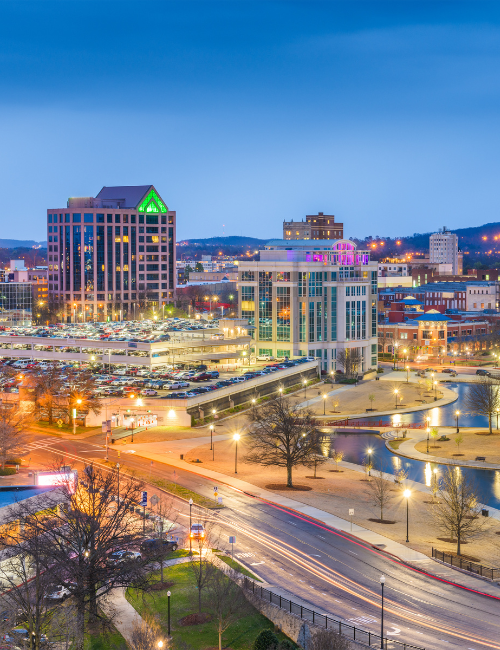
Huntsville, AL, is known for its vibrant community, deep historical roots, and wide variety of neighborhoods, each offering its own charm and character. Understanding which areas are considered the safest and which may present more risks is important for anyone planning to move to the city or simply wanting to learn more about it. This guide reviews both the most desirable and least favorable neighborhoods in Huntsville, helping you make an informed decision about where to live, visit, or invest. It also reflects the city’s diverse lifestyle options, ranging from family-focused communities to lively urban districts, making the information useful not only for homebuyers and renters but also for companies that buy homes in Tuscaloosa and other cities in Alabama, as they evaluate local market conditions.
Key Highlights
- Crime data in Huntsville is essential for enhancing community safety through proactive strategies and increased resource allocation.
- Neighborhood perceptions in Huntsville are influenced by crime rates, affecting property values and local economic development.
- Low-crime neighborhoods are characterized by social cohesion, active community engagement, and robust security measures.
- Addressing high property crime rates involves tackling socio-economic disparities and enhancing community infrastructure.
- Effective use of crime data guides potential residents in making informed neighborhood choices based on safety and quality of life.
Understanding Crime Rates in Huntsville
Crime rates in Huntsville play a major role in shaping how residents view and experience their neighborhoods. Both current residents and potential homebuyers can make smarter choices about where to live by taking time to review local crime statistics. This information highlights which areas maintain strong safety standards and which may need additional attention. Crime data offers more than numerical values because it also reflects the underlying factors that influence a community’s overall sense of security. By exploring how crime rates affect neighborhood perception, we gain a clearer understanding of the connection between safety and community image, and for those navigating housing decisions, resources that explain the process, such as here’s how North Alabama House Buyer can help, can offer additional clarity and support.
The Role of Crime Data in Community Safety
Huntsville crime data is important for keeping the community safe. Local police usually give out these numbers on violent and property crimes in different areas. Residents can take charge of their safety by looking at this data. By knowing the crime rates, communities can find the worst areas and put in place specific plans to lower crime. There may be more patrols, neighborhood watches, and street lights. Local governments and groups can use crime data to help them get grants for safety improvements and social programs that deal with the root causes of crime. People feel more in charge of their neighborhoods when they have crime data. People in Huntsville neighborhoods with lower crime rates are more involved and trusted. It lowers crime because people get along with each other. Using technology to analyze crime data makes it possible to get real-time updates and plan for future crimes, which makes better use of resources. Crime data gives communities the information they need to talk about safety. With this information, workshops can show people how to keep themselves and their homes safe. Reporting tools make it easier for people to tell the police about suspicious activity, which helps build trust and openness in law enforcement. The value of crime data is that it helps keep people safe. Crime statistics can help Huntsville neighborhoods become safe places that improve the quality of life and boost the economy.
How Crime Rates Influence Perceptions of Huntsville Neighborhoods
Crime rates, which indicate a community’s level of safety, influence how people in Huntsville neighborhoods perceive it. People decide whether to move or invest based on crime data. People considering a move to a new area may prefer neighborhoods with lower crime rates. Low-crime neighborhoods are safe, beneficial for families, and contribute to the growth of the economy and the community. Crime rates and public perceptions of them have an impact on property values and local services. High crime rates can lead to a decline in property values because people are less likely to buy homes when they are concerned about safety. Businesses in areas with high crime rates may struggle to attract customers, further harming the local economy. The way the media shows things also affects how people think. The news can make Huntsville’s neighborhoods look bad when it reports on violent crime. However, the truth is often more complex. These views can change with local crime reduction programs. Neighborhood watches, increased police patrols, and community events can alter how people perceive certain areas, both within and outside the neighborhood. Confronting crime rates directly brings neighborhoods back to life.
Using modern tools such as crime mapping apps helps keep residents aware of local incidents and strengthens their sense of security. Neighborhoods can also work with community safety advocates by promoting these resources and motivating individuals to take an active role in protecting their surroundings. Overall, crime rates influence how people in Huntsville view different aspects of community life, but these perceptions should be balanced with accurate crime data and genuine community engagement. This combination helps residents better understand their environment and makes the city more appealing to newcomers, supporting ongoing urban growth and community development, and for those exploring housing options, North Alabama House Buyer can help by offering guidance and local insight.
| Aspect of Crime Data | Impact on Community | Strategies for Improvement | Technological Integration |
|---|---|---|---|
| Crime Statistics | Influences the community’s sense of safety | Enhanced policing and community programs | Utilize data analytics for predicting trends |
| Local Crime Trends | Affects neighborhood desirability | Offer social and recreational activities | Leverage GIS mapping tools |
| Public Safety Reports | Impacts public trust and engagement | Increase transparency through open data | Implement real-time reporting systems |
| Socioeconomic Factors | Correlates with crime perceptions | Focus on education and employment initiatives | Integrate data for socioeconomic planning |
This table highlights the multifaceted impact that crime data has on Huntsville neighborhoods, illustrating its role in community safety, perception, and the broader economic and social framework.
The Safest Neighborhoods in Huntsville
Huntsville, Alabama, has several neighborhoods with low crime rates, making them among the city’s safest. These areas are not only desirable but also livable due to active community programs and effective crime-fighting strategies. Residents and city officials are working hard to keep these neighborhoods crime-free. They want to learn more about what makes these neighborhoods safe and support programs that keep violent crime rates low. Investigating the safest neighborhoods reveals what distinguishes these communities and their dedication to safety.
Top Features of Low-Crime Areas
Huntsville, AL, has low-crime neighborhoods with unique qualities that make them both safe and desirable. The strong community spirit in these areas is crucial. Community engagement is essential, as residents participate in local events, fostering trust and camaraderie. Social cohesion deters crime because vigilant residents notice and report suspicious activity, lowering crime rates. These neighborhoods have many homes with security systems, improving property safety and security. Well-maintained parks and recreational areas are another feature. Regular patrols by city security and community members make these places safe for families and children. The cleanliness and upkeep of these parks also show a community that takes pride in its environment, deterring potential criminals who prefer less visible areas. Huntsville’s low-crime neighborhoods also have strong schools and community-minded police. Schools and police departments host safety workshops and public seminars to teach students and parents about safety and reporting crimes. These initiatives reflect the city’s commitment to communal responsibility and safety. Technology is another distinguishing factor. Many neighborhoods use apps and platforms to report real-time crime. These tools keep residents informed and engaged, enabling them to receive immediate notifications of threats and suspicious activity. Thus, collective vigilance increases, reducing property crime and violent encounters. Infrastructure helps too. Well-lit streets and extensive surveillance deter nighttime crime. Safe neighbourhoods have more foot and vehicle police patrols, reassuring residents and preventing crime. Strategically placing police stations in these neighborhoods allows quick response times to incidents, boosting community safety. In conclusion, Huntsville’s safest neighborhoods are characterized by strong social ties, active community involvement, modern security measures, and strategic city planning. These features create a safety-focused and ever-improving environment. These factors contribute to Huntsville’s neighborhoods being among the nation’s safest, attracting families and individuals who seek safe and vibrant living environments.
Community Initiatives to Reduce Violent Crime
Community initiatives play a crucial role in reducing violent crime in Huntsville’s safest neighborhoods by providing residents with the tools to stay safe and avoid criminal activity. Neighborhood watch programs, for example, enable residents to play an active role in community safety by encouraging communication with local law enforcement, building trust, and reducing reporting and response times. Regular community meetings allow residents to discuss safety concerns with police, while workshops on personal safety, home security, and emergency preparedness provide citizens with practical knowledge to help deter crime. Youth engagement programs, such as after-school sports, mentorship, vocational training, and academic support, provide safe spaces for young people, reducing the likelihood of criminal activity and cultivating a future generation committed to maintaining a secure environment.
Technology integration enhances community safety by providing real-time crime alerts and surveillance systems to supplement community-driven reporting efforts. Local law enforcement contributes to these efforts by attending school visits, safety fairs, and other public events, forming collaborative relationships with residents. Partnerships with non-profits addressing housing, employment, and substance abuse issues also help to address the root causes of crime, thereby strengthening community resilience. Overall, Huntsville’s collaborative approach, which combines proactive engagement, education, technology, and social support, exemplifies how unity and strategic initiatives can keep crime rates low, foster safe living environments, and serve as a model for community-led crime reduction nationwide.

The Most Dangerous Neighborhoods in Huntsville
Huntsville, known for its vibrant community and economic opportunities, also has areas where crime is a significant issue. These neighborhoods frequently have higher crime rates, which affects residents’ perceptions and quality of life. Exploring the factors that contribute to crime in these areas, as well as potential solutions, provides valuable insights into the issues. We’ll look at what causes higher property crime rates in these neighborhoods, as well as the steps being taken to combat violent crime, with the ultimate goal of creating safer, more cohesive communities in Huntsville.
Factors Contributing to Higher Property Crime Rates
Understand why some Huntsville neighborhoods have higher property crime rates by investigating the causes. Socioeconomic disparities contribute. Residents of economically struggling neighborhoods often lack employment, forcing them to turn to illegal activities. Higher unemployment can lead to more property crimes like burglary and theft as people turn to crime out of necessity. Lack of quality education also contributes. In these neighborhoods, underfunded schools leave young people without the skills or motivation to avoid crime. Due to limited upward mobility, undereducation increases crime rates. Insufficient community engagement worsens crime. Without neighborhood watch programs or community events, residents lack cohesion. Weak community ties reduce the likelihood of reporting suspicious activity, allowing crimes to go unpunished. Poor infrastructure, such as street lighting and public spaces, increases crime rates. Criminals like inconspicuous environments, and neglected infrastructure provides that. Ineffective police presence or perceived indifference can deter residents from reporting crimes because swift action is unlikely. Furthermore, crime data availability affects crime dynamics in two ways. While it can empower residents, a lack of direct access or understanding of this data can leave communities uninformed and unable to participate in their own safety. Some communities use technology to track crime and communicate, but others are isolated due to technological divides, hindering safety efforts. Thus, making crime data transparent and user-friendly can improve community safety. These factors are multifaceted and require a multifaceted approach. Education and infrastructure investments must accompany economic revitalization and job creation. Regular events and neighborhood watches can build community solidarity. Together, residents and law enforcement can improve policing, ensuring quick response and crime prevention. Addressing these factors can gradually lower property crime rates, making dangerous neighborhoods safer and more prosperous.
Addressing Violent Crime in These Areas
To fight violent crime in Huntsville’s most dangerous neighborhoods, we need new ideas and people to get involved. To stop violent behavior, you need to know what causes it. Poverty, unemployment, and a lack of education are all things that can lead to violence. If you deal with these main problems, the changes will last. Creating jobs and providing education help people avoid situations that might lead to crime. Community programs also help young people avoid crime by giving them career advice and mentors. Law enforcement should work together more and be less bossy to make community policing better. This is a strong way to do it. When residents and police trust each other, they are more likely to share information and tips, which stops and solves violent crimes. Foot or bike patrols make people feel safer and help officers understand the needs and dynamics of their neighborhoods, which leads to more targeted interventions. It’s important for communities to come together to fight violence. Neighborhood watches and community events make people more visible and encourage them to interact with each other, which helps keep crime down. Social programs that teach people how to manage anger and resolve conflicts can help individuals settle their differences without resorting to violence. Recreation centers for teens and young adults offer safe, helpful places for teens and young adults who might otherwise join gangs. Neighborhood apps that keep track of crime statistics keep people in the know and involved. Real-time alerts can help you stay safe or let the police know about a problem. Working together with other businesses in your area can also help cut down on violent crime. Jobs and community development can bring life back to areas and make people less unhappy, which can lead to violence. For these plans to work, the local government, non-profits, and residents need to work together. Nonprofits that help people with housing, health care, and mental health issues can help with violent crime, which will make the community support network stronger. Working together, law enforcement and community leaders can stop violence. It is possible to fight violent crime in Huntsville’s neighborhoods with high crime rates. By working together and coming up with new ideas that fit the problems in these areas, we can make them safer. Huntsville can lower violent crime and make neighborhoods better places to live by getting people involved in their communities and teaching them.

Practical Tips for Choosing the Right Neighborhood
Choosing the right neighborhood in Huntsville, AL, requires a blend of practical tips and a detailed understanding of various factors influencing community life. Prospective residents often seek areas that promise safety, convenience, and a high quality of life. By utilizing crime data effectively, individuals can make informed decisions about their neighborhood choices. This process involves analyzing neighborhood safety, the condition of local amenities, and community dynamics. Understanding these elements helps in making prudent decisions that align with one’s lifestyle and safety preferences, ensuring a choice that fulfills both personal and familial needs.
Utilizing Crime Data for Informed Decisions
When choosing a Huntsville neighborhood, it’s important to approach crime data thoughtfully, as these statistics help residents evaluate both safety and overall quality of life. Clear information on violent and property crimes provides valuable insights into local dynamics, enabling families and individuals to align their housing choices with their comfort levels and preferences for community involvement. Reviewing police reports and online crime maps is the most practical way to understand patterns, offering details on everything from minor property issues to more serious offenses. Crime numbers, however, tell only part of the story because community-driven efforts like neighborhood watch groups often play a major role in reducing incidents and enhancing an area’s reputation. For homebuyers, crime trends are crucial for assessing property values and rental potential, as safer neighborhoods typically command higher demand. This data is beneficial for investor homebuyers in Huntsville and surrounding Alabama cities seeking long-term returns. Conversations with current residents can further clarify safety concerns by providing on-the-ground insights not captured in formal reports. Modern tools such as real-time crime dashboards and mobile apps make tracking this information even easier, helping prospective residents make confident last-minute decisions. Altogether, these resources support Huntsville’s continued growth by empowering families and individuals to make well-informed neighborhood choices.
FAQs:
What factors should be considered when choosing a neighborhood in Huntsville, AL?
When choosing a neighborhood in Huntsville, AL, it’s essential to consider safety, local amenities, and community dynamics. Utilizing crime data effectively helps in assessing neighborhood safety and quality of life.
How does crime data impact neighborhood perceptions in Huntsville?
Crime data significantly affects how neighborhoods are perceived in Huntsville. High crime rates can lead to negative perceptions and lower property values, while low crime rates attract residents and aid economic development.
What are some characteristics of low-crime neighborhoods in Huntsville?
Low-crime neighborhoods in Huntsville often feature strong community engagement, robust security measures, and well-maintained public spaces. These areas foster social cohesion, which deters crime.
How can residents of Huntsville use crime data to enhance safety?
Residents can enhance safety by analyzing crime data to identify areas at risk and implementing strategies such as neighborhood watches and improved street lighting. This proactive approach helps prevent crime.
What strategies are being implemented to address higher crime rates in specific Huntsville neighborhoods?
Strategies to address crime in Huntsville include economic revitalization, enhancing educational opportunities, implementing effective policing strategies, and promoting community engagement through programs that foster unity and vigilance.
Helpful Huntsville Blog Articles
- Selling A House With Title Issues In Huntsville, AL
- Free Things to Do in Huntsville, AL
- Fun Facts About Huntsville, AL
- Huntsville, AL, Neighborhood Map
- Do I Need a Termite Bond to Sell My House in Huntsville, AL
- Transfer Ownership of a House Without Selling in Huntsville, AL
- Selling Rental Property at a Loss in Huntsville, AL
- Selling Your Home with Septic Tank Issues in Huntsville, AL
- Do All Heirs Have to Agree to Sell Property in Huntsville, AL?
- How Much Does a Divorce Home Appraisal Cost in Huntsville, AL
- Huntsville, AL, Capital Gains Tax Calculator
- Do All Heirs Have to Agree to Sell Property in Huntsville, AL?
- How Much Does a Divorce Home Appraisal Cost in Huntsville, AL
- Can I Use a Title Company to Sell My House in Huntsville, AL?