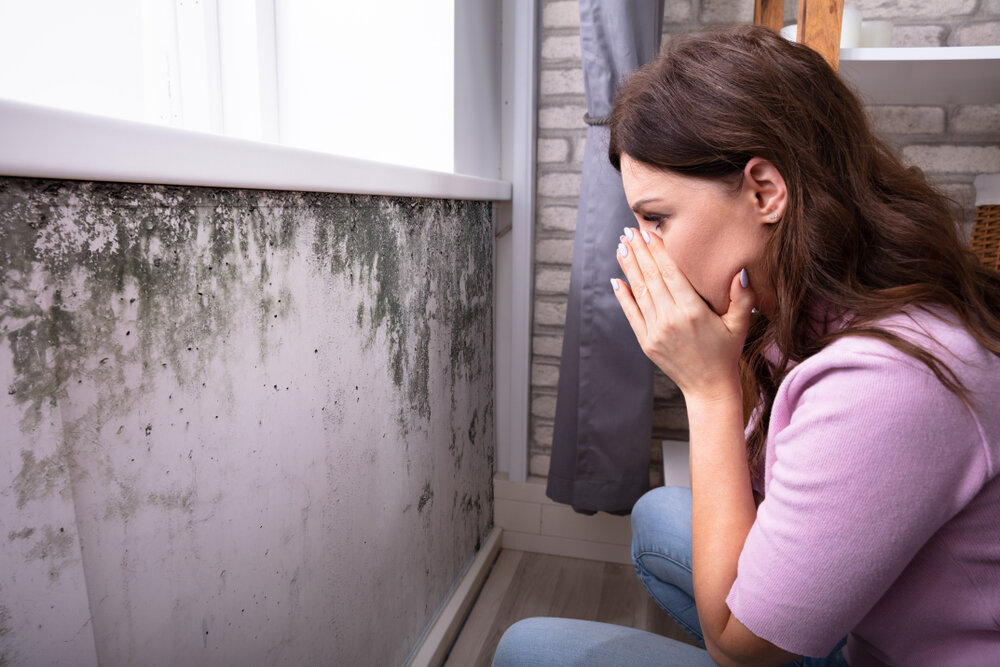
Selling a house in Alabama that has mold triggers legal disclosure requirements and a scrupulous understanding of real estate laws that protect buyers and sellers and keep the house in the market. If sellers deal with mold issues quickly, it will enable them to meet disclosure requirements, and the selling process will be more seamless.
Legal obligations when selling a house with mold in Alabama
To sell a house with mold in Alabama, you must comply with legal requirements, which, if not followed, will result in legal liability. This article discusses the obligations to prevent sellers from encountering legal issues when selling a house.
Mold in Alabama Houses: Seller Disclosure Obligations
It is a legal requirement in Alabama to disclose mold in a house. This is to ensure that buyers know what they are buying. Alabama sellers are obligated to disclose any mold that affects the safety and value of a home. “Honesty is the foundation of trust in real estate transactions,” said an Alabama Association of Realtors spokesperson.
Failure to Disclose Mold Issues: Legal Consequences
Failure to disclose mold issues can result in legal issues such as lawsuits and fines. A buyer can sue you if mold is found in the home, and you will have to pay the cost of remediation plus other damages if the buyer can prove that you had knowledge of the mold. Lack of disclosure will affect your standing in the real estate industry negatively.
Defining a “Material Defect” in Relation to Mold in Alabama Real Estate
In Alabama real estate, mold can be a “material defect” if it affects the property’s condition or a buyer’s decision. A material defect must be disclosed by the seller since it may affect the livability and value of the property. According to the National Association of Home Inspectors, a material defect is anything that would cause a buyer to change their mind or haggle over the purchase.
Legal Self-Protection: Crucial Records and Processes
To protect yourself legally when selling a mold-affected home, keep all necessary paperwork and follow the correct steps. Important documents include:
- Inspection Reports: These show the extent and condition of the mold.
- Repair Records: These detail any actions taken to fix mold problems.
- Disclosure Forms: These are official records of any known mold issues shared with buyers.
Following these documentation rules can help protect you from future legal issues.
When should you get an attorney’s help?
When you have legal responsibility questions or disputes, it is best to consult with a real estate attorney. An attorney will advise and represent you. e. The attorney makes sure you have all the disclosures you are legally required to have. This is helpful because it prevents you from going to court later for a case you may end up losing. The American Bar Association advises that obtaining legal assistance early is beneficial for the complexity of the situation.
By following the guidelines, Alabama sellers will feel confident, legally minimizing their risks and securing a successful closing.
Evaluating and Dealing with Alabama Property Mold Issues Prior to Listing
Alabama Mould Inspectors and Their Qualifications
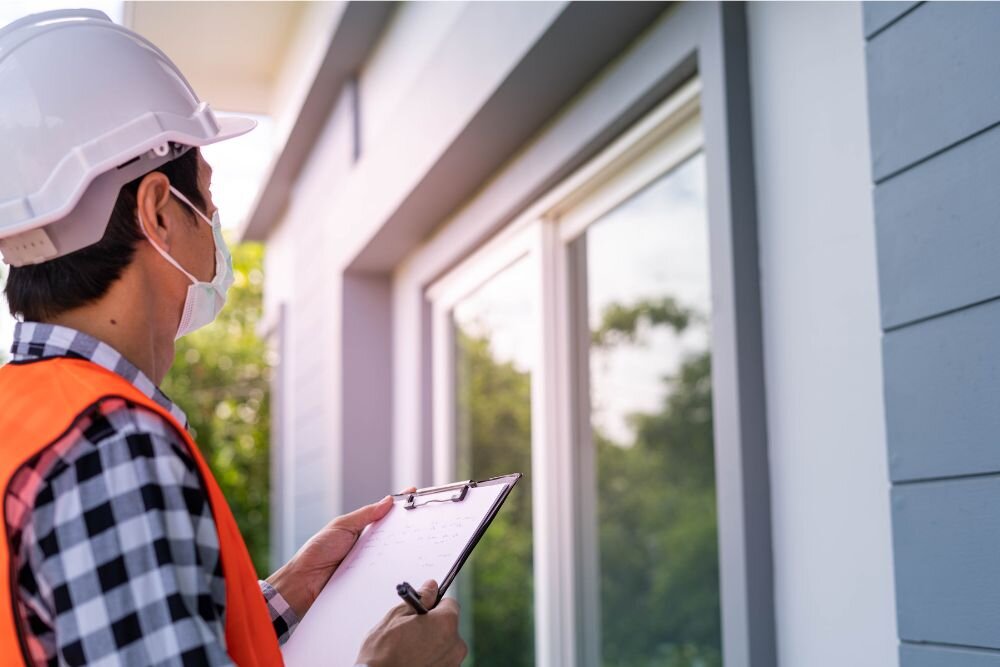
In Alabama, property owners have to manage mold issues prior to listing the property, as it will cause legal and financial problems after the property is sold. An extensive appraisal mold report will help in sale preparation, and for that, you have to hire an appraisal inspector.
Tips for Better Understanding Gain to Mold Inspection and Reports
You will get a report for the problems that a mold inspector finds. It is a good idea to help with legal and financial problems prior to mold appraisal. An inspector will document the problems and provide a plan to address them. This creates a positive perception.
The Presence of Mould in Alabama Houses
Regardless of the type, it is challenging and dangerous. The knowledge that many different types of mold exist in homes in Alabama is important for any property owner. Some mold types cause damage to parts of a structure, while others impact the physical and mental health of inhabitants.
Cost of Mold Remediation in Alabama: Pricing Details and Budgeting Overview
Mold removal comes at a multitude of costs. In Alabama, pricing is dependent on the type of property, how severe the damage from the mold is, and the type of remediation methods that are needed. When budgeting, it is best to get estimates to ensure that your budget is correct. To save on costs during the negotiation process, it is best to take care of the mold before selling.
DIY Mold Removal vs. Professional Mold Removal: What are the Risks and How Should They Be Managed
In terms of mold removal, it is important to consider whether or not to do it yourself or to hire professionals in order to weigh the pros and cons of the situation. Cleanup is a little risky, especially concerning safety and your health. House environments are proven to be safer once the professionals complete their remediation.
For more detailed guidance on preparing your property for sale, feel free to explore additional resources or contact North Alabama House Buyer.
Strategies for Selling Your Mold-Affected Alabama House

Competitively Pricing Your Property: Understanding the Impact of Mold
Pricing homes with mold damage, especially in Alabama, can be challenging. Pricing impacted by mold requires consideration of how mold typically affects a home’s market value. Examine the property’s overall condition and determine value based on that. A local real estate agent can assist with this. Removing mold damage can be expensive and impact your sale. When pricing your home, consider the above to construct pricing that is reasonable and draws in customers.
Strong Marketing of Property: Focus on the Strengths, and Implement Damage Control
While selling your home in Alabama, focus on the strengths and mold difficulties. A real estate agent can assist with developing a descriptive and real estate-led economic case for the buyer. Address issues of concern to assist with buyer comprehension. A pre-inspection may help to assuage buyer concerns and simplify contracts
Disclosure: Buyer Knowledge Regarding the Mold Problem
Selling a home with mold requires full disclosure. Due to the mold, federal and state laws compel you to disclose this. Document issues you know to be problematic. Disclosures assist the buyer as well as the seller. Provide the buyer with your explanation and remediation of the mold. Your honesty leaves less room for legal issues and will build a better rapport.
Negotiating with Buyers: Buyers’ Concerns and Finding an Agreement.
Property selling involves negotiation. Address concerns to find an agreement. Be prepared to negotiate regarding mold terms, including price reduction or mold remediation. Accept reasonable terms to ensure you protect yourself while attracting the buyer. Clear communication promotes ease of the transaction.
Closing Costs and Contingencies: Possible Additional Costs
Selling a house, understanding closing costs, and contingencies are necessary. Selling a mold-damaged house, costs may come from the mold disclosure or mold remediation obligations. Be informed regarding the terms of the mold transaction to understand these expenses. Being prepared for these aspects leads to a smoother closing.
Mitigating Health Risks Associated with Mold
Common Types of Mold and Their Health Implications in Alabama Homes

Alabama is a particularly humid state with a record of mold growth in homes. Stachybotrys (black mold), Cladosporium, and Aspergillus are examples of such mold species. These mold species can be a threat to the health of consumers, particularly those with allergies and respiratory health issues. In the case of mold and symptoms of an allergy, an allergic reaction can be triggered. In fact, there is research done by the CDC that explains the case and situation. Proactively addressing mold in your home can greatly aid in preventing health issues.
Symptoms of Mold Exposure: Recognizing Potential Health Risks
Recognizing symptoms of mold exposure is important to prevent health issues. People often have respiratory problems such as coughing and wheezing, along with allergic reactions like nasal congestion and eye irritation. If you notice these symptoms in yourself or others at home, it may be time to check for mold. Early identification can help prevent more serious health complications.
Protecting Yourself and Buyers from Mold Exposure During the Sale
Protecting buyers and yourself from mold exposure is crucial when selling a house. Before listing the property, sellers should perform comprehensive mold inspections and other safety measures. You might be required by law to notify prospective buyers of known mold problems. Being open and honest not only protects consumers but also fosters trust. Because of the high humidity in Alabama, it is imperative that you make sure you comply with these disclosure requirements.
Mold Remediation Methods: Effectiveness and Safety Considerations
Effective mold remediation methods are needed to safely tackle mold problems. Some common techniques include:
- Containment and Ventilation: Isolating the area to prevent mold spore spread.
- Removal of Affected Materials: Disposing of contaminated materials like drywall and insulation.
- Cleaning and Disinfecting: Using specialized cleaners to remove mold colonies.
Hiring professional services ensures these methods are done safely and effectively. Experts can assess the situation and recommend the best remediation techniques for your home’s needs.
Importance of Post-Remediation Testing and Verification
After remediation, post-remediation testing and verification confirm that the mold issue is resolved. This involves an independent inspector checking indoor air quality to ensure all mold spores are gone. According to the Environmental Protection Agency (EPA), testing after remediation is key to verifying cleaning efforts and maintaining a healthy living space for current and future occupants.
Preventing Future Mold Growth in Your Alabama Home
Identifying and Addressing Moisture Sources: Preventing Future Mold Problems
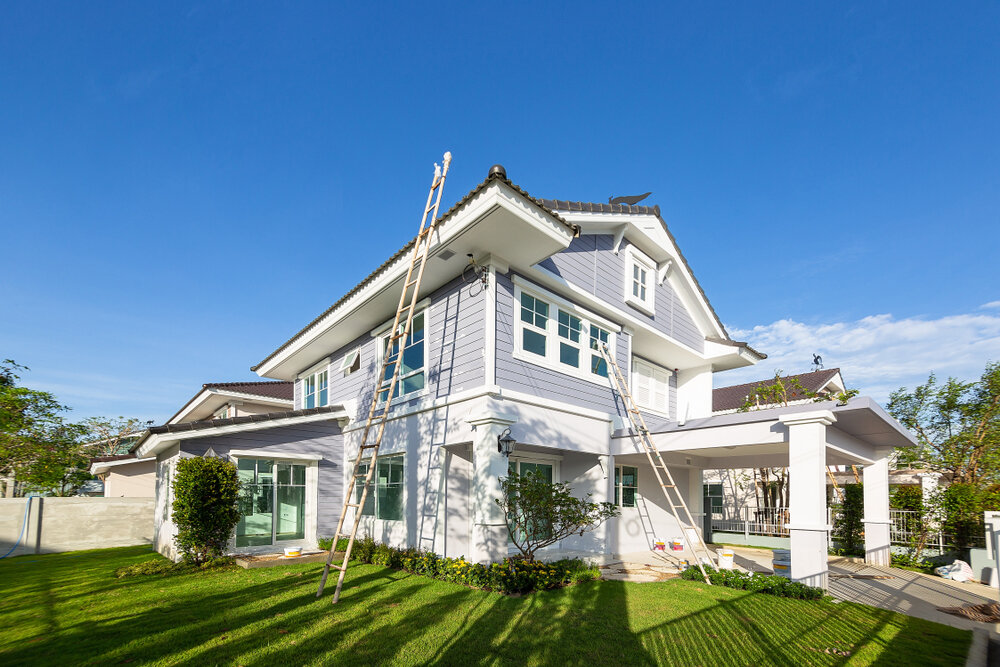
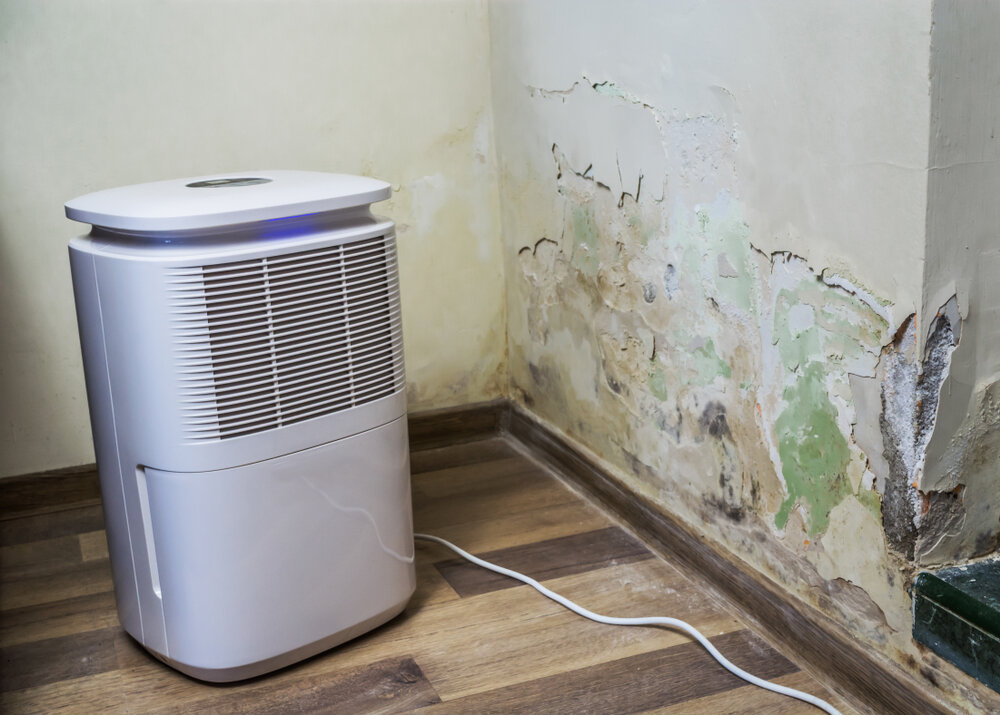
Preventing mold growth starts with finding and fixing moisture sources. Check places like basements, bathrooms, and kitchens for leaks in plumbing or roofs, and repair them quickly. Use dehumidifiers to lower humidity inside your house, which is especially important in Alabama’s humid climate. The Environmental Protection Agency (EPA) suggests keeping indoor humidity between 30% and 50% to reduce mold. Managing moisture well protects your real estate property from mold issues.
Improving Ventilation and Air Quality: Key Preventive Measures
Better ventilation and air quality help stop indoor mold growth. Install exhaust fans in bathrooms and kitchens to remove moist air. Regularly clean HVAC systems to keep out mold and allergens. Opening windows can also improve air circulation. Besides preventing mold, good ventilation supports health by keeping the air cleaner indoors.
Environmental Factors Specific to Alabama Climates and Their Impact on Mold Growth
Alabama’s warm and humid climate is perfect for mold growth. Knowing about environmental factors like humidity and rainfall can help you protect your home. During high humidity, use air conditioning to control indoor conditions. Weather seals around windows and doors prevent moisture from getting inside. Understanding local weather helps limit mold-friendly conditions.
Long-Term Mold Prevention Strategies: Cost-Effective and Sustainable Solutions
Long-term mold prevention can be affordable and sustainable. Regular maintenance and quick action on issues reduce the need for expensive mold remediation later. Use mold-resistant materials, like special drywall and paint, to lower the risk. Sustainable options like houseplants can help absorb indoor moisture. A proactive plan ensures ongoing protection against mold.
Resources for Ongoing Mold Prevention: Helpful Guides and Professionals
Use guides from the Centers for Disease Control and Prevention (CDC) for ongoing mold prevention. These resources provide valuable information on preventing and handling mold. Hiring professionals for regular inspections offers expert advice specific to your home. Keep records of inspections and preventive steps. Working with experts keeps your mold prevention effective.
Following these steps helps Alabama homeowners manage moisture and mold, protecting their property and health. For personalized advice, contact North Alabama House Buyer for more tips on maintaining a mold-free home.
How can I sell my house in Alabama with mold issues?
Selling a house with mold in Alabama means you need to be honest about the mold problem. You should let potential buyers know about it and think about hiring experts to fix the mold. Highlight the good things about your property in your listings to attract buyers.
Is buying a fixer-upper with mold in Alabama a good investment?
Buying a fixer-upper with mold can be a smart move if you’re ready for the work involved. Fixing the mold can make the house more valuable, and Alabama’s housing market offers chances for profitable renovations.
How does mold affect home sales in Alabama?
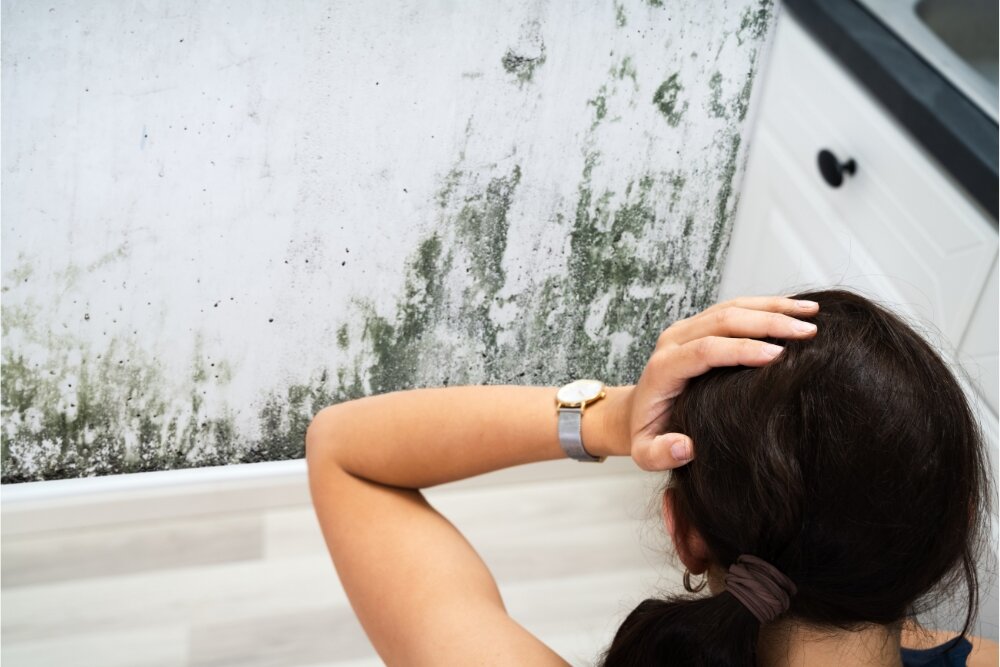
Mold can lower a home’s value and lead to higher insurance costs. Sellers should deal with mold issues early to avoid scaring off buyers and make the selling process smoother.
What dangers come with purchasing a home in Alabama that has mold?
Buying a house with mold can be risky because it might affect your health and require expensive repairs. It’s important to inspect the house carefully and plan for mold removal to turn the risk into a good opportunity.
What tips do you have for selling a moldy house in Alabama?
Clean up and deal with mold issues before selling. Be honest about the mold in your disclosures. You might want to hire professionals to check and fix the mold. Use good pricing strategies to draw in buyers.
Can I list a house with mold on property listings in Alabama?
Yes, you can list a house with mold, but you must be upfront about it. Point out any efforts made to fix the mold, and consider offering lower prices to attract interested buyers.
How can we manage rental properties with mold in Alabama?
Regularly check and maintain your rental properties. Address mold problems quickly when tenants report them. Make sure there is proper ventilation and moisture control to stop mold from coming back.
What impact does mold have on Alabama’s real estate market?
Mold can decrease property values and slow down sales. However, investors can find opportunities in homes that need work, like fixing mold issues, to make a profit.
Key Insights
- Selling a house with mold in Alabama can be tough, especially for fixer-uppers or foreclosures. Get a professional home appraisal and seek legal advice to handle this effectively.
- Know your fiduciary duty when selling a moldy house in Alabama to avoid lawsuits. Always disclose any known defects to potential buyers.
- Be transparent in your property listing in Alabama. Provide detailed info about the mold damage and repair options.
- To reduce buyer’s remorse, give a clear checklist and ensure all terms of the agreement are understood, including whether air cleaners will be provided.
- If tenants live in a moldy house, inform them about the health risks. Act quickly to dry areas and use products like ozone generators to improve air quality.
- For owners facing bankruptcy, selling a house with mold in Alabama might require extra legal steps. Get expert advice to meet all requirements and prevent further issues.
- If selling FSBO (For Sale By Owner), know state laws and safety rules to handle disclosure obligations correctly.
- Mold in places like crawl spaces, attics, and basements can worry buyers. Proper cleaning and repair can boost the market appeal and possibly increase the sale price.
- Working with real estate investors may provide a faster sale option for mold-affected houses in Alabama, especially if repairs are extensive.
- Legal requirements for mold disclosure change across different Alabama counties. Know the local guidelines to ensure compliance.
- Offering earnest money might attract buyers interested in fixer-uppers, even those with mold issues. This approach can help ease some initial buyer concerns.
- Consult with experts to assess the mold situation and make a remediation plan. This can make the property more attractive to buyers and reduce future disputes.
Helpful Alabama Blog Articles
- Property Division in Alabama Divorce
- Selling a Home with Code Violations in Alabama
- Short Sell Your Home In Alabama
- Costs of Selling a House in Alabama
- Selling A Home That Needs Repair In Alabama
- How to File a Quitclaim Deed in Alabama
- Selling a House with Mold in Alabama
- Squatter’s Rights in Alabama
- Sell Your House While Relocating in Alabama
- Short Sell Your Home In Alabama
- Costs of Selling a House in Alabama
- Selling My Parents’ Home to Pay for Care in Alabama
- Cheapest Place to Live in Alabama
- Can the Seller Back Out of a Contract in Alabama?
- How to Sell a House with a Squatter in Alabama